Standing. A plaintiff has to plausibly show a real plan to come back to your business, not just to your neighborhood. In 2022 the Second Circuit, the federal appeals court that covers New York, raised that bar, and in one of the firm’s 2022 cases a Manhattan judge told the parties, in their settlement talks, to consider whether the plaintiff had standing at all. Marks complaints now include details like the plaintiff’s distance from your door, so standing is leverage that depends on your facts, not a guaranteed win. In Martin v. Brooklyn Bagel & Coffee Co., a case we defended in Brooklyn federal court, the court dismissed an ADA class action for lack of standing. Our decisions are on the results page. Prior results do not guarantee a similar outcome. More: what standing means in an ADA lawsuit.
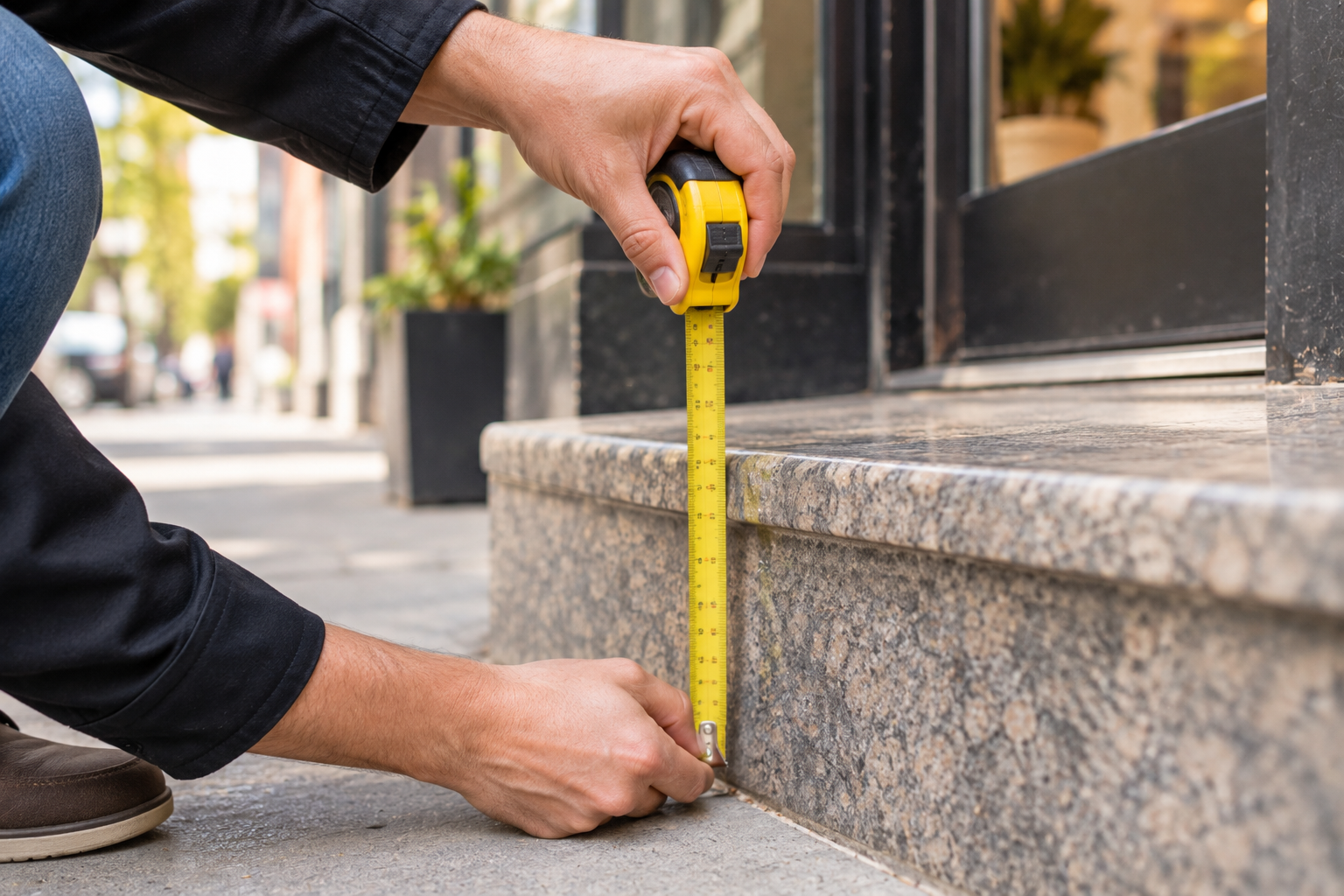
What is readily achievable for your building. For an existing building, the ADA requires removing barriers only where that is “readily achievable,” which the law defines as easily accomplishable and able to be carried out without much difficulty or expense. The cost and the resources of the business count, and the regulations put the entrance first, then the areas where you serve customers, then the restrooms. Some items are cheap, such as lowering part of a counter or clearing an aisle. Others, such as a ramp over a tall step on a narrow sidewalk, may not be readily achievable at all. Where removal isn’t readily achievable, the regulations point to alternatives, such as curb service or bringing merchandise to the customer.
The 1991 safe harbor. Parts of a building that met the 1991 ADA standards and haven’t been altered since March 15, 2012 don’t have to be brought up to the 2010 standards. Your own expert should check the complaint’s list item by item.
The money claims. The state and city law claims are where the damages come from, and they need their own answer. In the 2021 default above, the plaintiff asked for and received $1,000. What a claim is realistically worth in your case is one of the first things to work out.
The lease. Who pays for what between landlord and tenant can matter as much as the defense itself. Read the repair, compliance with laws and indemnity clauses early.
Tax help for the work you do. If changes are needed, federal tax law helps pay for them. The Disabled Access Credit (IRS Form 8826) is 50% of eligible spending between $250 and $10,250 in a year, so up to $5,000, for a business with gross receipts of $1 million or less or no more than 30 full-time employees in the prior year. The credit doesn’t cover barrier removal in a building first put into service after November 5, 1990. Businesses can also deduct up to $15,000 a year for qualified barrier removal costs, and the IRS says the two can be used in the same year. Ask your accountant whether you qualify.