Served With an ADA Lawsuit? How to Read the Complaint in 10 Minutes

The papers already tell you who, what and when. Here's where to look.

By Michael Samuel, ADA defense attorney in New York

Court papers on the sales counter of a Lower East Side sneaker shop

Someone handed you a stack of papers, or you found them in the mail: a summons and a complaint, often 15 pages or more, with your business name on the first page. It reads like it was written for a judge, because it was.

Here’s the good news. Almost everything you need to plan your next move fits on one page: who is suing you, which law firm is behind it, what they say is wrong, what they want, and the date you have to answer by. That last one is the only item the complaint doesn’t spell out, and it’s the one that matters most.

You can find all of it yourself in about ten minutes with the guide below. Or you can let our free complaint checker read it for you in about a minute.

The one-minute way: our free complaint checker

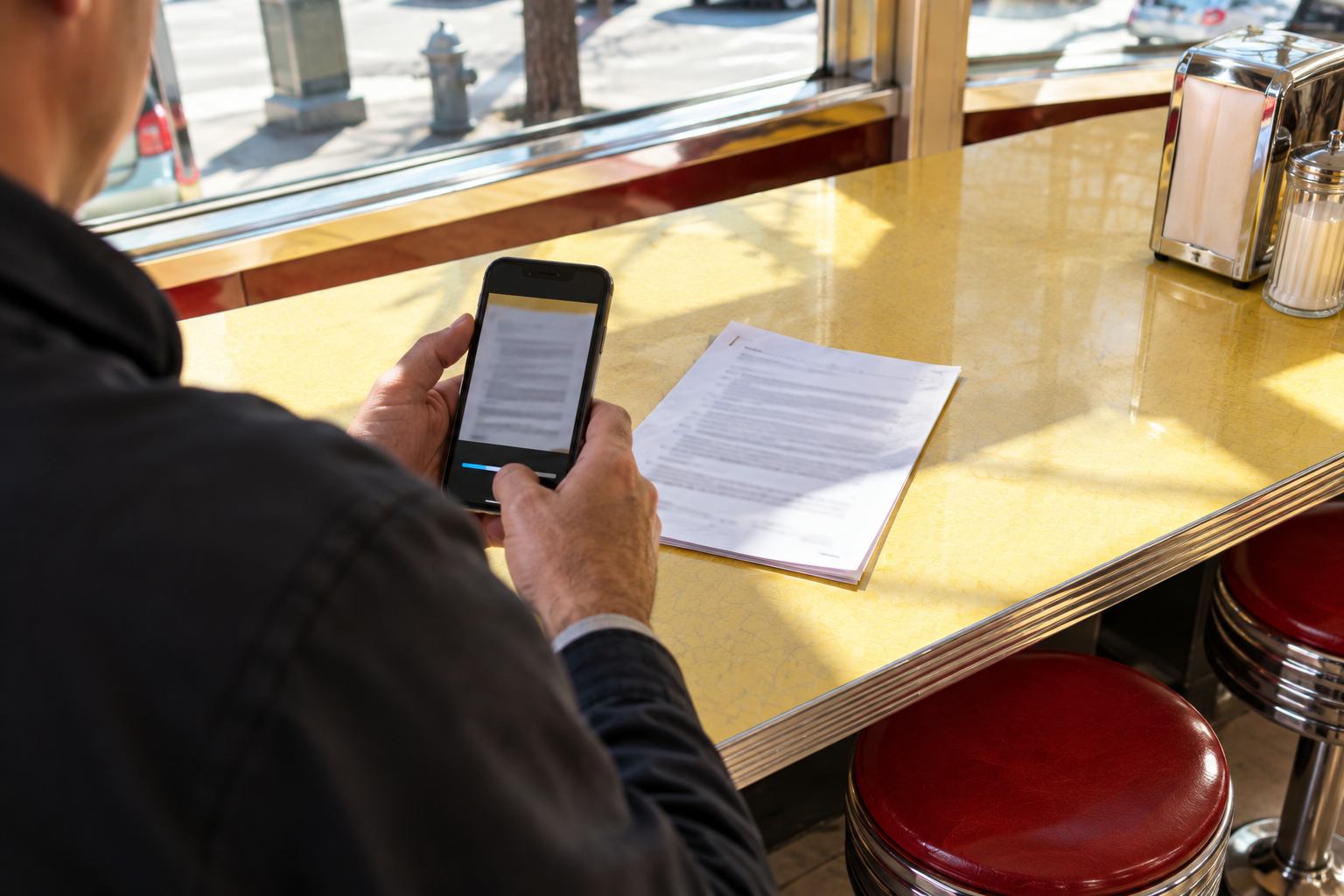
Diner owner photographing court papers with his phone at the counter

We built the checker for business owners who just got served and want answers before they’ve had a chance to call anyone. It’s free, and it takes three steps.

  1. Upload the papers. One PDF, or up to 10 photos of the pages taken on your phone, in page order.
  2. Read your summary. In about a minute you get a plain-English page: who is suing you, their law firm, what they claim, what they want, and the date to plan your response around.
  3. Talk it through, free. If you want a lawyer’s view, book a free strategy session on the same page. Your papers come with your request, so you won’t have to explain the case twice.

It reads demand letters too, the letters some firms send before filing a lawsuit or instead of one. One thing you’ll notice: the checker asks when you were served. That’s not a formality. The section on deadlines below explains why the day the papers reached you can matter more than anything printed in them.

Your upload is stored privately and seen only by The Samuel Law Firm. The summary explains what your papers say. It isn’t legal advice, and using the checker doesn’t make you a client.

Check your papers now

Reading it yourself: six things to find, in this order

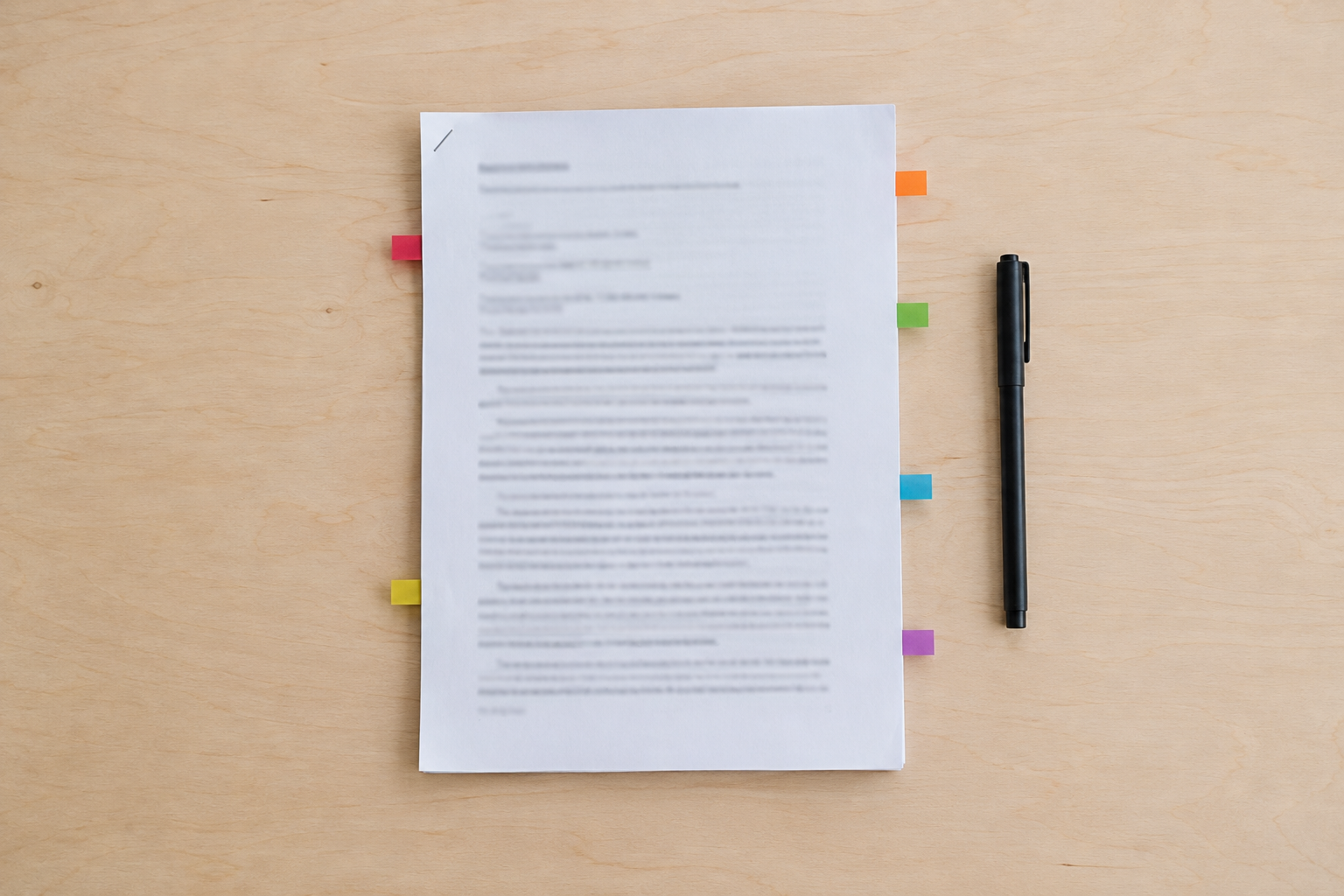
Complaint marked with six colored sticky flags on a wooden desk

Complaints in these cases follow the same structure almost every time. Read these six parts first and leave the rest for your lawyer.

  1. The court and the case number (top of page 1). The box at the top, called the caption, names the court. “United States District Court, Southern District of New York” or “Eastern District” means federal court, and the number looks like 1:26-cv-01234. “Supreme Court of the State of New York, County of Kings” means state court, and the number is called the Index No. Despite the name, the Supreme Court is New York’s main trial court. Which court you’re in decides which deadline rules apply.
  2. Who is suing you (the caption, then the “Parties” paragraphs). You’ll see the plaintiff’s name and often the words “on behalf of himself and all others similarly situated.” That means the plaintiff wants to bring a class action. No class exists unless a court later approves one, and the phrase is standard in many of these complaints.
  3. The law firm behind it (the last page). The signature block names the plaintiff’s lawyers. A small group of firms files a large share of these cases in New York, and each has its habits. We’ve written about Mizrahi Kroub, Gottlieb & Associates, Joseph & Norinsberg, Shaked Law Group and The Weitz Law Firm.
  4. What they claim (the “Causes of Action” or “Counts”). Website complaints usually stack several laws: Title III of the Americans with Disabilities Act, plus the New York State Human Rights Law and the New York City Human Rights Law, sometimes the New York Civil Rights Law too. Here’s why that matters: the federal ADA can get the plaintiff an order to fix your site and their attorney’s fees, but no money damages. The money in New York cases comes from the state and city claims.
  5. What they say went wrong (the “Facts” section). In a website case, this is a list of barriers the plaintiff says a screen reader ran into on your site: images with no description, buttons with no labels, a checkout they couldn’t finish, sometimes with the dates of their visits. Copy this list. It’s the starting point for your defense and for your fixes. If the case is about your building, this section describes the entrance, restroom or counter instead, and everything else reads the same.
  6. What they want (the paragraph starting “WHEREFORE,” just before the signature). Lawyers call it the prayer for relief. Expect an order to change your website, damages under the state and city laws, and attorney’s fees and costs.

The deadline that isn't printed in the complaint

Court papers being handed across a hardware store counter

This is the part that catches most owners off guard. The complaint doesn’t give you a date. The summons, usually the first page or two, gives you a number of days, and the clock starts from when and how you were served.

  • Federal court: generally 21 days after you were served. If you received a request to waive formal service and signed it, you usually get 60 days from the date the request was sent.
  • New York State court: 20 days if the papers were handed to you personally in New York. 30 days if they reached you any other way, counted from the day service is complete.

The trap: many plaintiffs serve a corporation or LLC through the New York Secretary of State. Under state law, that service is complete the day the Secretary of State receives the papers, not the day the forwarded copy reaches you. If the address your company has on file with the state is out of date, the clock can run for days or weeks before the papers ever land on your desk.

The exact date is on the proof of service the plaintiff files with the court (in state court, the affidavit of service). A lawyer can pull it from the court’s online docket in a few minutes.

Miss the deadline and the plaintiff can ask the court for a default judgment, which means the case can be decided without your side being heard. Undoing a default is sometimes possible, but it’s harder and more expensive than answering on time. So write down two things today: the date you got the papers, and how they arrived (handed to you, left with an employee, by mail, or forwarded by the state).

What a defense lawyer reads between the lines

Copier printing a stack of identical pages in a print shop

A complaint is the plaintiff’s side of the story, written to sound airtight. These are the questions a defense lawyer asks that the complaint won’t answer for you.

Is this the same complaint filed against dozens of other businesses? Public court records show how many near-identical suits the same plaintiff and firm have filed. In Alexandria v. Just Shades, a case we defended in Manhattan this summer, the court dismissed the complaint in its entirety. The plaintiff had filed 54 near-identical lawsuits.

Does the plaintiff really plan to come back? To get a court order against your business, a plaintiff has to show a real intention to return. In 2022, in a case about braille gift cards, Calcano v. Swarovski, the Second Circuit, the federal appeals court that covers New York, held that vague, boilerplate claims of intending to return weren’t enough. New York federal courts have applied it to website cases since. In Sumlin v. Royal Batch, another case we defended, a Manhattan state court found a serial plaintiff’s standing allegations inherently incredible and dismissed the complaint.

Does the ADA even reach your website? If you sell only online, with no physical store, some New York federal judges have ruled the ADA doesn’t cover your site. In December 2025, in Fernandez v. Gainful Health, a Manhattan federal judge dismissed the ADA claim against an online-only seller, while leaving the plaintiff free to bring the New York City claim in state court. Other judges in the same court have ruled the other way, and the Second Circuit hasn’t decided. It’s a real defense, not a guaranteed one.

Is your site already fixed, and can you prove it? Fixes made in the site’s code, documented with dates and re-tested, can weaken a claim and strengthen your hand in negotiation. A widget or overlay toolbar doesn’t do this. For the website itself, we work with Codexyo, an independent web accessibility team that fixes sites like yours. They are not lawyers, and you’re free to use anyone.

These same questions decide what a case costs if it settles. See how much it costs to settle an ADA website case.

Prior results do not guarantee a similar outcome.

Got a demand letter instead of a lawsuit?

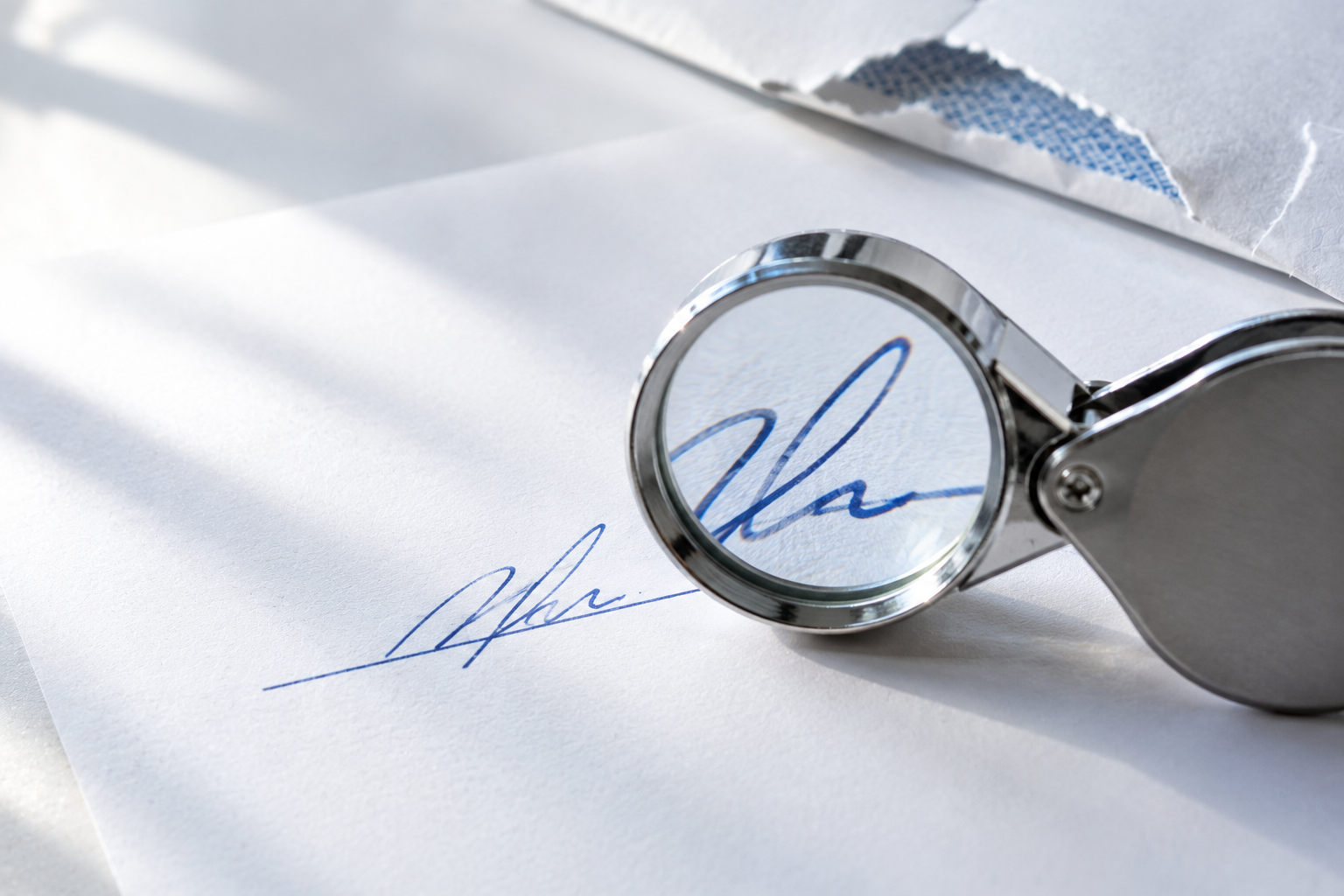
Jeweler's loupe magnifying the signature on a letter

A demand letter is not a lawsuit. No court has set a deadline, and the date in the letter was chosen by the law firm that sent it. That gives you a little room, but not much: ignoring a letter is often how it turns into a filed case. Our guide to what to do in the first 48 hours walks through it, and the checker reads letters the same way it reads complaints.

Before you answer any letter, check that the lawyer who signed it is real. Lawyers admitted in New York can be looked up by name in the state court system’s attorney search, with their registration status. Out-of-state firms can be checked with their own state bar. A letter that names no dollar amount, gives you a few days to call, and comes from a firm no registry can confirm deserves a second look before you pick up the phone.

If your letter came from Equal Access Law Group or Apex Trial Law, we’ve written about both.

Frequently asked questions

In federal court, generally 21 days after you were served, or 60 days from the date a waiver request was sent if you agreed to waive formal service. In New York State court, 20 days if the papers were handed to you personally in New York, and 30 days after service is complete if they reached you any other way, including service through the Secretary of State. Your exact date depends on when and how you were served, so check the proof of service filed with the court.

Yes. The checker and the strategy session you can book from it are both free. Your upload is stored privately and seen only by The Samuel Law Firm. The summary explains what your papers say; it is not legal advice and does not make you a client.

Yes. The checker reads both lawsuits and demand letters, as one PDF or up to 10 photos of the pages taken on your phone. Keep in mind that a demand letter has no court deadline: the date in it was set by the law firm that sent it, not by a judge.

It means the plaintiff is asking to bring the case as a class action for other people in the same position. No class exists unless a court later certifies one. The phrase is standard in many New York website accessibility complaints.

Under the federal ADA, a private plaintiff can get a court order to fix the site and attorney’s fees, but not money damages. The New York State and New York City Human Rights Laws allow damages, so New York complaints usually add those claims. They are often what drives the dollar amount in a settlement.

If you don’t respond by the deadline, the plaintiff can ask the court for a default judgment, which means the case can be decided without your side being heard. Undoing a default is sometimes possible, but it is usually harder and more expensive than answering on time. If you have been served, write down when and how, and get the papers to a lawyer quickly.

Talk it through

Free consultation, flat fee quoted before you commit

I am Michael Samuel. I have practiced law in New York since 1993 and I have handled roughly a hundred ADA accessibility matters, most of them website cases, for the business on the receiving end. If you’ve been served, upload your papers to the free complaint checker or call me. The first conversation costs nothing and you will get a straight answer about where you stand. I handle website accessibility defense on a flat fee, quoted before you commit, so you know the number up front.

Recent decisions in these cases, with the courts and index numbers, are on my results page. Prior results do not guarantee a similar outcome. If your letter came from a firm we have written about, see what to know about Equal Access Law Group letters and what to know about Apex Trial Law letters.

For a free consultation, call 212-563-9884, email michael@thesamuellawfirm.com, or use the contact form.

Attorney Advertising. This article is general information about New York law and is not legal advice about your situation. Reading it does not create an attorney client relationship.


The Samuel Law Firm
1441 Broadway, Suite 6085
New York, NY 10018
212-563-9884

Contact Us

Sued, owed wages, or injured? Talk to a New York litigator today.

The Samuel Law Firm is a litigation firm in Manhattan. Michael Samuel defends businesses in ADA lawsuits, website and premises, in wage and hour cases, and in contract and commercial disputes, and represents employees owed wages and people injured by negligence. He has practiced in New York since 1993 and appears in the Southern and Eastern Districts of New York and the New York state courts. Call 212-563-9884 for a free consultation; he answers directly