
Shopify Store Sued Over Accessibility? What to Know and Do First

Using Shopify doesn't make your store accessible

By Michael Samuel, ADA defense attorney in New York

Online shop owner setting up a product photo in her studio

If you sell on Shopify and a demand letter or a lawsuit says your store is inaccessible to blind shoppers, you are in large company. By one industry count, 952 of the 2,045 website accessibility lawsuits filed in the United States in the first half of 2026, or about 47%, were against Shopify stores. New York was the third busiest state, with 399.

The lawsuit names your business, not Shopify. Shopify’s terms of service say you are responsible for “the creation and operation” of your store and its content, and that you will comply with all applicable laws. A well-built theme helps, but the store a customer actually uses is your theme settings, your product photos and descriptions, and the apps you have added, and those are yours.

These suits are usually brought under Title III of the Americans with Disabilities Act. In New York they often add state and city law claims, which is where the requests for money come from. See why an ADA lawsuit asks for money.
What Shopify covers, and what is yours

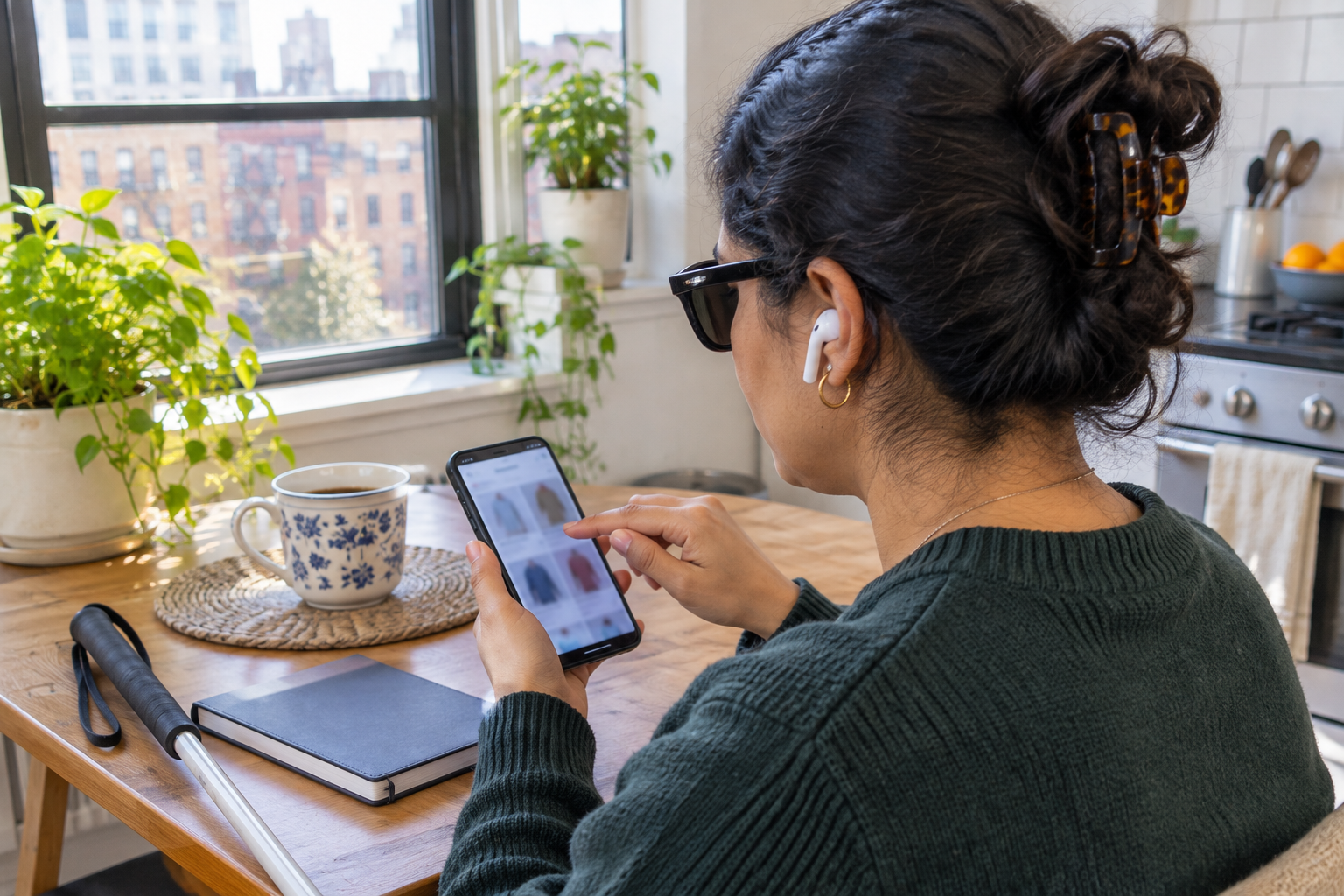
Woman using a screen reader on her phone at home

Shopify does real work on accessibility. Its accessibility statement says it tests against WCAG 2.2 Level AA, the standard these cases are measured against, and it publishes conformance reports for its checkout, its admin and its Dawn theme. Themes sold in the Shopify Theme Store have to meet accessibility requirements, including an average Lighthouse accessibility score of at least 90 across the home, product, collection and cart pages, plus manual checks for keyboard use, form labels, alt text, color contrast and visible focus.

None of that covers everything on your store:

  • Your theme as you changed it. Shopify’s statement says merchants have complete control over their theme code. Custom sections, colors you picked and code a developer added can undo what the theme got right.
  • Your content. Product photos without alt text, size charts posted as images, videos without captions and PDF catalogs are all yours.
  • Your apps. Pop-ups, reviews, upsells, wishlists, chat and quiz apps add their own code to your pages, and each one can add barriers of its own.
  • Automated scores. A Lighthouse score is an automated check. It can’t test everything a person using a screen reader or a keyboard runs into, so a good score is a starting point, not proof.

What these lawsuits usually say is wrong

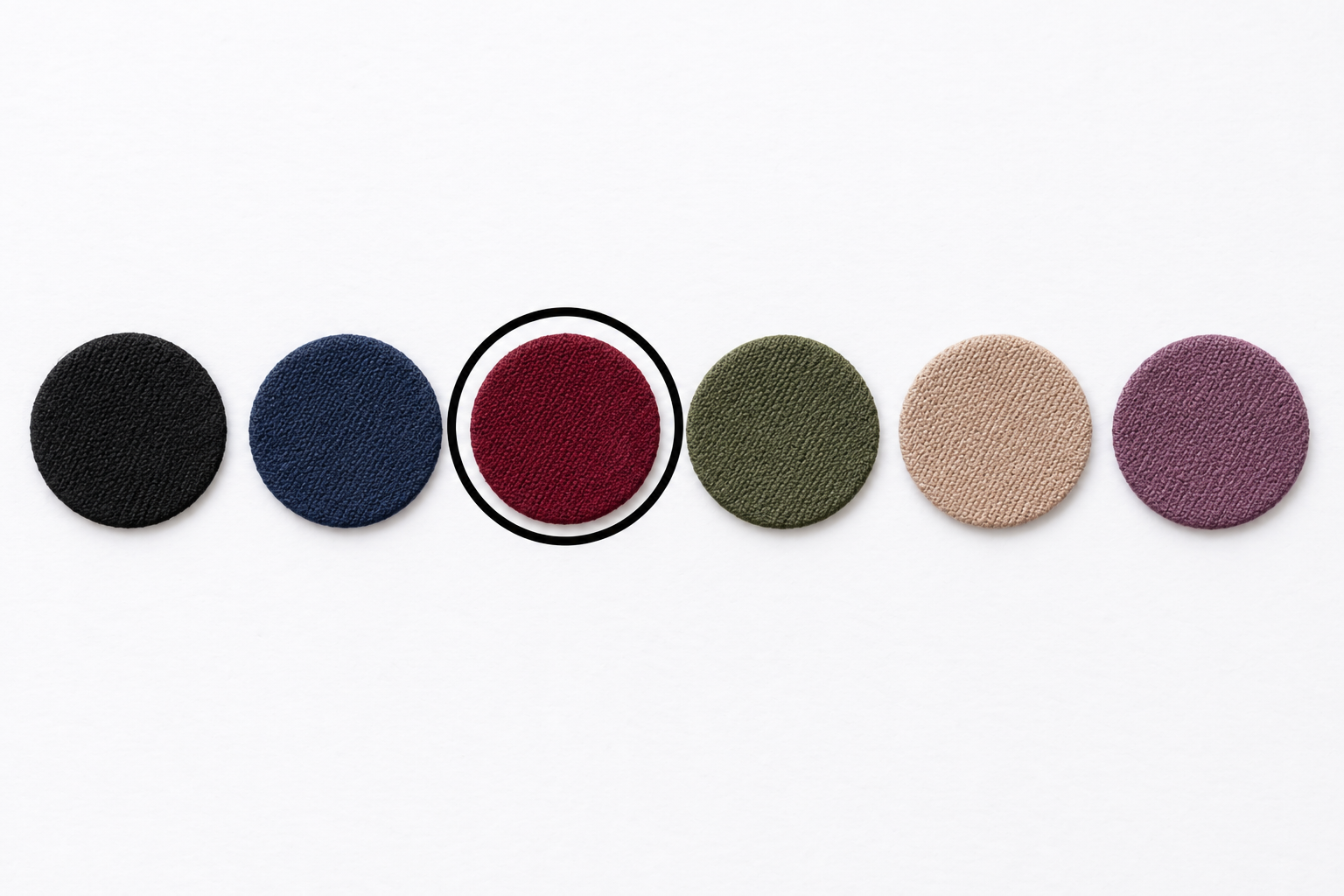
Row of fabric color swatches with one outlined

Website complaints in New York usually say a blind person using a screen reader tried to shop on the site and couldn’t. The barriers they list are familiar, and on Shopify stores they tend to show up in the same places:

  • Product images with no alt text, or alt text that just repeats the product name. Shopify lets you add alt text to each product image in the admin.
  • Color and size swatches that can’t be reached or selected with a keyboard, or don’t say which option is chosen.
  • Email sign-up pop-ups that trap the keyboard or can’t be closed without a mouse.
  • Cart drawers, menus and sliders that a keyboard or screen reader can’t operate.
  • Forms without labels, low color contrast and missing focus outlines.
  • Videos without captions and size charts or ingredient lists posted only as images.

An accessibility app won’t stop the suit. By the same industry count, 496 of the first-half 2026 lawsuits, about a quarter, were against sites that already had an accessibility widget or overlay installed. In April 2025 the Federal Trade Commission ordered accessiBe, one of the best-known widget makers, to pay $1 million over claims that its AI tool could make any website compliant. See what an accessibility widget does and doesn’t do.

If you've been sued or got a demand letter

Federal courthouse in Brooklyn in morning light

Find your deadline first. In federal court you generally have 21 days after you are served to answer or move to dismiss. In New York State court it is 20 days if the papers were handed to you personally in New York and 30 days if you were served another way. A deadline in a demand letter is set by the plaintiff’s law firm, not by a court, but it still deserves an answer. See what to do in the first 48 hours after a demand letter.

Don’t rush to change the site or install an app before you talk to a lawyer. Fixes matter, but the timing, how complete they are and the records you keep all affect how a case ends. See should you fix your website before or after responding.

Look at who sued you. A few New York firms bring most of these cases, and each has its own pattern. We have written about Gottlieb & Associates, Mizrahi Kroub, Shaked Law Group, Joseph & Norinsberg and Equal Access Law Group.

Two questions that matter for online-only stores. Courts disagree on whether the ADA covers a website with no physical store, and the Second Circuit, the federal appeals court that covers New York, hasn’t settled it, so it can be a defense but not a sure one. See does the ADA apply to an online-only business. And if your business isn’t in New York, whether a New York court can hear the case is its own question: see sued in New York but your business is in another state.

What to do now, sued or not

Store owner and tester reviewing a website together
  1. Try your own store with only a keyboard. Use the Tab key to go from the home page to a product, pick a size and color, add it to the cart and reach checkout. If you get stuck, or can’t see where you are, so can a screen reader user.
  2. Fill in alt text for every product image in the Shopify admin, describing what the photo shows, not just the product name.
  3. Review every installed app. Remove the ones you don’t use, and check the pop-up, reviews and chat apps with the keyboard test above.
  4. Caption your videos and put size charts and key product details in text, not only in images.
  5. Get a manual audit against WCAG 2.2 Level AA and fix what it finds in the store itself. See what it costs to make a website ADA accessible.
  6. Keep dated records of the audit, the fixes and ongoing testing. If you are ever sued, documented work can matter a great deal.

How The Samuel Law Firm can help

Michael Samuel

Michael Samuel has defended about 100 ADA cases since 2019, most of them about websites. For website cases, the firm charges a flat fee that covers all work up to trial, including a motion to dismiss.

If you have received a demand letter or been sued over your Shopify store, call (212) 563-9884 before your deadline, or upload the complaint to our free complaint checker for a plain-English summary first. More on how these cases are handled is on our ADA website lawsuit defense page.

Frequently asked questions

Shopify says it tests its checkout and admin against WCAG and publishes conformance reports, and themes in its Theme Store must meet accessibility requirements. But your store also includes your theme changes, your content and your apps, which you control, and Shopify’s terms make you responsible for your store. Using Shopify doesn’t by itself make your store accessible.

Yes. By one industry count, about 47% of the website accessibility lawsuits filed in the first half of 2026 were against Shopify stores. The lawsuit names the business that runs the store, not Shopify.

No widget makes a store compliant on its own. About a quarter of the website suits filed in the first half of 2026 were against sites that already had a widget or overlay installed, and in April 2025 the FTC ordered accessiBe to pay $1 million over claims that its AI tool could make any website compliant.

Courts disagree, and the Second Circuit, which covers New York, hasn’t settled the question. New York federal judges have gone both ways, so it can be a defense in some cases but not a sure one.

In federal court, generally 21 days after you are served. In New York State court, 20 days if the papers were handed to you personally in New York and 30 days if you were served another way. Have a lawyer confirm the exact date right away.

No law names a version for private business websites, but these cases are measured against WCAG, and Shopify itself tests against WCAG 2.2 Level AA. Aim for WCAG 2.2 AA, which also covers WCAG 2.1.

Talk it through

I am Michael Samuel. I have practiced law in New York since 1993 and I have handled roughly a hundred ADA accessibility matters, most of them website cases, for the business on the receiving end. If a letter or a lawsuit about your website has arrived, the first call costs nothing and you will get a straight answer about where you stand. I handle website accessibility defense on a flat fee, quoted before you commit, so you know the number up front.

Recent decisions in these cases, with the courts and index numbers, are on my results page. Prior results do not guarantee a similar outcome. If your letter came from a firm we have written about, see what to know about Equal Access Law Group letters and what to know about Apex Trial Law letters.

For a free consultation, call 212-563-9884, email michael@thesamuellawfirm.com, or use the contact form.

Attorney Advertising. This article is general information about New York law and is not legal advice about your situation. Reading it does not create an attorney client relationship.


The Samuel Law Firm
1441 Broadway, Suite 6085
New York, NY 10018
212-563-9884

Contact Us

Sued, owed wages, or injured? Talk to a New York litigator today.

The Samuel Law Firm is a litigation firm in Manhattan. Michael Samuel defends businesses in ADA lawsuits, website and premises, in wage and hour cases, and in contract and commercial disputes, and represents employees owed wages and people injured by negligence. He has practiced in New York since 1993 and appears in the Southern and Eastern Districts of New York and the New York state courts. Call 212-563-9884 for a free consultation; he answers directly