Sued by Hanski Partners or The Parker Law Group? (Formerly Parker Hanski)

Who is suing you, and why the name on your papers may be new

By Michael Samuel, ADA defense attorney in New York

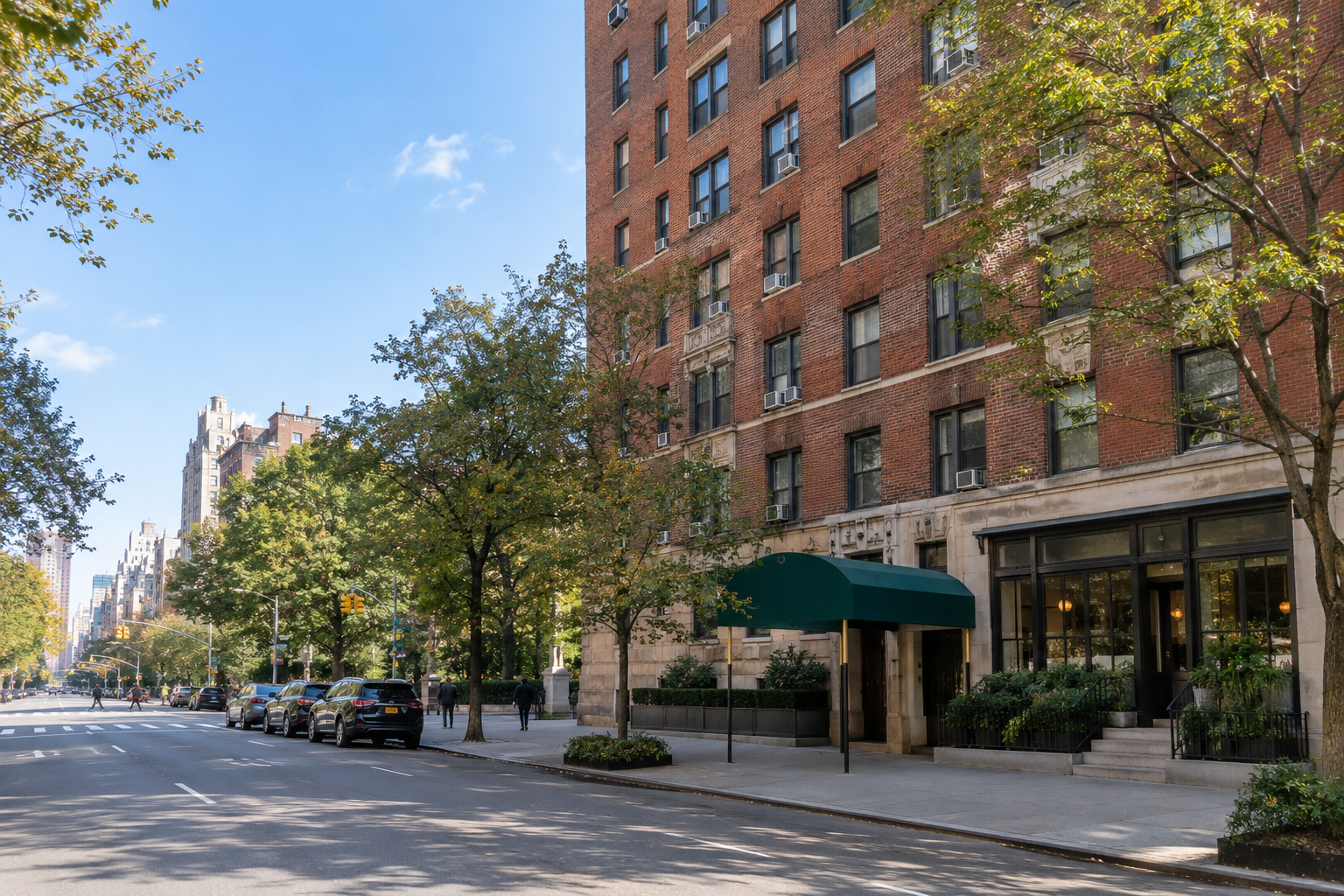
Prewar co-op building with a ground-floor restaurant on the Upper East Side

If you just received a summons and complaint from Hanski Partners LLC or The Parker Law Group P.C., you may never have heard either name. You may have heard of Parker Hanski. For years, the firm called Parker Hanski LLC filed many of New York’s ADA access lawsuits, and court records show its lawyers now file under these two names.

Between them, the two firms have filed 69 ADA lawsuits in New York’s federal courts so far in 2026: 47 in Manhattan, in the Southern District of New York, and 22 in Brooklyn, in the Eastern District. The suits are about physical access, such as entrances, steps, tables and restrooms, and many name both the building owner and the business inside it.

My name is Michael Samuel. I am an ADA defense attorney in New York, admitted in 1993, and I have defended about 100 ADA cases since 2019, including physical access cases as well as website cases. This article explains who these two firms are, what their complaints ask for, why the history of your space matters, and what a defense realistically looks like.

The most important fact first. These are federal lawsuits. You generally have 21 days to respond after you are served. And unlike some other firms’ ADA cases, these complaints ask for money, not only for the barriers to be fixed.

From Parker Hanski to two firms

Man in a power wheelchair waiting at a SoHo crosswalk

In court records, the name Parker Hanski LLC stops appearing on new filings in 2024. The same lawyers now file as two separate firms:

  • Hanski Partners LLC, attorneys Adam S. Hanski and Robert G. Hanski, with an address in Rye Brook in Westchester County. It filed 36 ADA lawsuits in New York’s federal courts between January 11 and October 15, 2026: 28 in Manhattan and 8 in Brooklyn.
  • The Parker Law Group P.C., attorney Glen H. Parker, with an address in Montclair, New Jersey. It filed 33 between January 7 and October 8, 2026: 19 in Manhattan and 14 in Brooklyn.

Most of the plaintiffs in the complaints we read use wheelchairs, and the same names come back. Todd Kreisler and Stason Sutton are each the plaintiff in five of this year’s Hanski Partners suits. A plaintiff named Francis appears in twelve of The Parker Law Group’s, and at least two different people named Francis are among them.

The defendants aren’t only restaurants and shops. This year’s suits also name co-op and condominium boards that own a building’s commercial space, large landlords, a Midtown department store building, a museum, a hospital and a national fast-food chain.

For why the same plaintiffs and firms sue so many New York businesses, see is my ADA lawsuit a scam? For other firms that file physical access cases, see our guides to The Weitz Law Firm and the Law Office of Jennifer Tucek.

What the complaint asks for: money, not just a ramp

New York City Hall cupola against a clear blue sky

The federal ADA gives a private plaintiff an order to fix the barriers and attorney’s fees, but no money damages. That’s why some firms’ New York access cases ask for nothing more. These complaints are different. The ones we read from both firms add claims under New York State and New York City law and ask for:

  • Compensatory damages under the New York State and City Human Rights Laws.
  • Punitive damages under the New York City Human Rights Law.
  • A penalty of $100 to $500 for each violation under the New York Civil Rights Law. The Hanski Partners complaint asks for it from each defendant.
  • Attorney’s fees under both the ADA and city law.
  • A court order to fix every violation and to keep the case open until the work is done. The Parker Law Group complaints we read also ask the court to order the business closed until every violation is removed.

A bodily injury claim in some. Two of the three Parker Law Group complaints we read add a negligence claim, saying the conditions caused the plaintiff bodily injury, and ask for damages for it. That can matter for your insurance, as explained below.

City building rules, not just the ADA. The Hanski Partners complaint we read measures the premises against the federal ADA standards and against New York City Building Code accessibility rules going back to the 1968 code.

The building and the business, together. Many of these complaints name the company that owns the building and the business that rents the space, and ask for judgment against them jointly and severally. That means either one can be made to pay the whole amount. Co-op and condo boards are named the same way when they own the space. Between the two of you, the lease can decide who is responsible for what.

For a plain-English walk-through of your papers, see how to read an ADA lawsuit complaint, or upload the complaint to our free complaint checker.

The renovation question: why your permits matter

Contractor fitting new flooring at a restaurant doorway in Tribeca

The Hanski Partners complaint we read says the building went up before 1992, but the restaurant space inside it was remodeled after that, with new partitions, kitchen, plumbing and restroom fixtures. That allegation is there for a reason, because the ADA treats changed spaces more strictly than untouched ones.

An untouched space. In an existing building that hasn’t been altered, the ADA requires removing barriers only where that is “readily achievable,” meaning easily accomplishable without much difficulty or expense. Parts of a building that met the 1991 ADA standards and haven’t been altered since March 15, 2012 don’t have to be brought up to the 2010 standards.

A renovated space. When a space is altered, meaning remodeled, renovated or rebuilt in a way that affects how it’s used, the altered parts must be made accessible “to the maximum extent feasible.” That is a much higher bar. And when the main area of a business is altered, the path to it and the restrooms serving it generally have to be made accessible too, unless that would cost more than 20 percent of the alteration.

So the history of your space can change the case. What work was done, when, by whom and under what permits are facts, and the complaint’s description of past work is only an allegation. Pull your permits, contractor invoices, the lease’s work letter and any architect’s drawings now, before your first conversation about settlement.

What can work in your defense

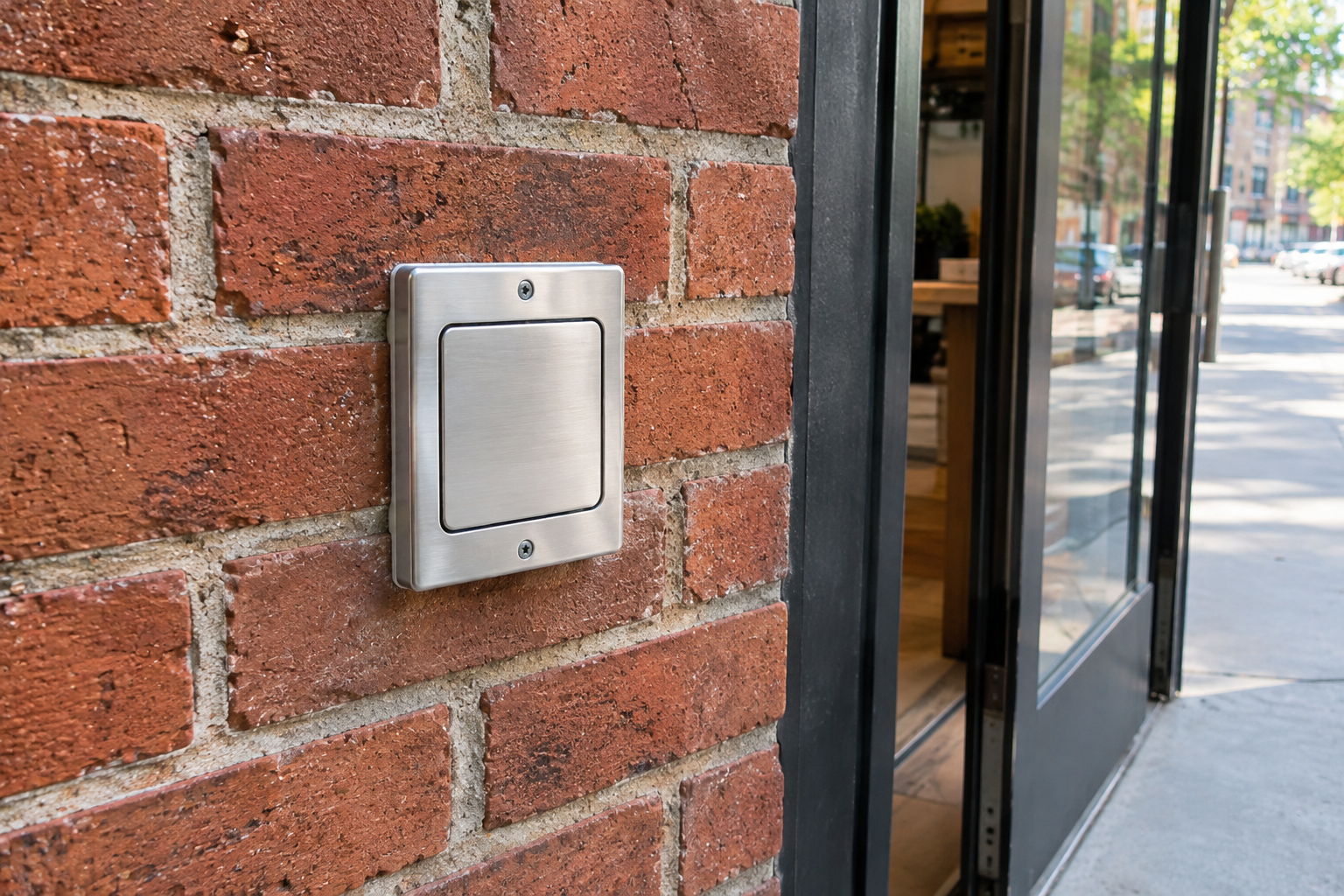
Push-button automatic door opener beside a shop entrance

Standing, realistically. A plaintiff has to plausibly show a real plan to come back to your business. Some ADA cases in New York have been dismissed when those allegations were thin. These complaints are built to avoid that. The one we read gives the plaintiff’s travel time to the restaurant, how many times a year he passes it and on what errands, and the menu items he wants to try. In at least three Manhattan cases brought by Hanski Partners, decided in April 2025, November 2025 and March 2026, federal judges denied motions to dismiss for lack of standing. In one of them, the court also rejected the argument that the plaintiff was a “tester” who sues many businesses. Check standing, but don’t build your plan around a quick dismissal.

What the law actually requires of your space. Sorting the complaint’s list into what is readily achievable, what falls under the stricter rule for altered spaces and what is covered by the 1991 safe harbor takes your own accessibility expert. It’s often where the real negotiation happens.

Fixing the barriers, with records. Completing and documenting the work can end the federal ADA claim, because that claim only asks for the barriers to be removed. It doesn’t end the state and city claims. New York City law also lets a court award fees when a lawsuit was the catalyst for a change, even a voluntary one. Talk to your lawyer before work starts, because timing and records matter. See why the order of fixing and responding matters.

The Civil Rights Law notice. The $100 to $500 penalty claim requires the plaintiff to serve notice on the New York Attorney General at or before the start of the case. In 2025 a New York appeals court upheld dismissal of a claim like this because notice wasn’t served in time. These complaints say notice was served. Your lawyer should confirm when.

The lease and your insurance. Read the lease’s repair, compliance with laws and indemnity clauses early. Then report the lawsuit to your insurance carrier. A general liability policy is written to cover bodily injury claims, and some of these complaints include one. Whether your policy responds depends on its terms and exclusions.

Your deadline and your first week. You generally have 21 days after you are served to answer or move to dismiss. If you signed and returned a waiver of service, you have 60 days from the date the request was sent. Write down the service date, find the lease and your renovation records, tell your landlord or tenant and your carrier, and photograph the entrance, tables and restrooms as they are today. Don’t call the plaintiff’s lawyer yourself.

How The Samuel Law Firm can help

Michael Samuel

Michael Samuel has defended about 100 ADA cases since 2019, in the federal courts in Manhattan and Brooklyn and in New York state court. Physical access cases are quoted after we review the complaint and the property.

When a Hanski Partners or Parker Law Group complaint comes in, we check the service date and the Attorney General notice. We find out what work was really done to the space and when, and which items on the list are required for your building. Then we value the state and city damages claims, and look at what the lease and your insurance policy say. If you’re a co-op or condo board, or a landlord, we also look at what the commercial tenant owes you under the lease.

Our decisions, including Martin v. Brooklyn Bagel & Coffee Co., an ADA class action dismissed for lack of standing in Brooklyn federal court, are on the results page. Prior results do not guarantee a similar outcome.

Frequently asked questions

Court records show that the lawyers who filed as Parker Hanski LLC now file as two firms: Hanski Partners LLC, with Adam S. Hanski and Robert G. Hanski, and The Parker Law Group P.C., with Glen H. Parker. Both file ADA physical access lawsuits in New York’s federal courts, 69 between them so far in 2026.

Their cases are in federal court, so you generally have 21 days after you are served. If you signed and returned a waiver of service, you have 60 days from the date the waiver request was sent. Have a lawyer confirm the exact date right away.

Both. The complaints we read ask for compensatory damages under New York State and City law, punitive damages under city law, a penalty of $100 to $500 per violation under the New York Civil Rights Law, and attorney’s fees. Some Parker Law Group complaints also bring a negligence claim for bodily injury.

The ADA and New York law make both the owner of the space and the business that runs it responsible for access, and these complaints ask for judgment against them jointly and severally. Between the owner and the tenant, the lease can decide who pays for what, so find it and read the repair, compliance and indemnity sections.

Not necessarily. Completed and documented work can end the federal ADA claim, but not the state and city claims for money damages, and New York City law lets a court award fees when a lawsuit was the catalyst for a change. Talk to your lawyer before work starts.

It might. A general liability policy is written to cover bodily injury claims, and some of these complaints include one, but discrimination claims are often excluded. Report the lawsuit to your carrier right away and send your lawyer a copy of the policy.

Talk it through

Free consultation, flat fee quoted before you commit

I am Michael Samuel. I have practiced law in New York since 1993 and I have handled roughly a hundred ADA accessibility matters, most of them website cases, for the business on the receiving end. If a letter or a lawsuit about your website or your premises has arrived, the first call costs nothing and you will get a straight answer about where you stand. I handle website accessibility defense on a flat fee, quoted before you commit, so you know the number up front.

Recent decisions in these cases, with the courts and index numbers, are on my results page. Prior results do not guarantee a similar outcome. If you were sued over your premises by another firm we have written about, see what to know about The Weitz Law Firm and what to know about Jennifer Tucek lawsuits.

For a free consultation, call 212-563-9884, email michael@thesamuellawfirm.com, or use the contact form.

Attorney Advertising. This article is general information about New York law and is not legal advice about your situation. Reading it does not create an attorney client relationship.


The Samuel Law Firm

1441 Broadway, Suite 6085

New York, NY 10018

212-563-9884

Contact Us

Sued, owed wages, or injured? Talk to a New York litigator today.

The Samuel Law Firm is a litigation firm in Manhattan. Michael Samuel defends businesses in ADA lawsuits, website and premises, in wage and hour cases, and in contract and commercial disputes, and represents employees owed wages and people injured by negligence. He has practiced in New York since 1993 and appears in the Southern and Eastern Districts of New York and the New York state courts. Call 212-563-9884 for a free consultation; he answers directly