Fired for Complaining About Unpaid Wages in New York? Your Rights

Speaking up about your pay is protected

By Michael Samuel, attorney in New York

Line cook talking with his manager in a restaurant kitchen

If you asked your boss about missing overtime, a short paycheck or tips that never reached you, and then lost your job, your hours or your shifts, you may have two claims, not one: the wages you were owed, and a separate claim for the retaliation.

New York’s Labor Law says an employer can’t fire, threaten, penalize or retaliate in any other way against a worker for complaining about a pay violation. The complaint can be made to your employer, to the New York State Department of Labor or to the Attorney General. It doesn’t have to name a law, and you don’t have to turn out to be right. It is enough that you reasonably and in good faith believed something was wrong.

Federal law, the Fair Labor Standards Act, has its own protection. Since 2015 the Second Circuit, the federal appeals court that covers New York, has held that it covers complaints made to the employer, spoken or written, as long as they are clear enough that the employer would understand you were asserting your rights. A complaint to the government isn’t required.


What counts as retaliation

Warehouse worker walking out of a Brooklyn warehouse gate

Retaliation is anything your employer does to punish you for speaking up. Common examples:

  • Firing you, or telling you not to come back.
  • Cutting your hours or shifts, moving you to worse ones, or demoting you.
  • Threats, such as telling you that you’ll be let go if you keep asking.
  • Threatening to call immigration, or reporting or threatening to report your immigration status. New York’s Labor Law names this as retaliation.
  • Punishing you for filing a complaint, starting a case, or testifying in an investigation or a case about wages.

Timing matters. When the firing or the cut in hours comes soon after the complaint, that can be strong evidence of why it happened. Employers often give another reason, such as lateness or slow business, so the dates, the messages and what your coworkers saw all matter.

Your immigration status doesn’t change your right to be paid. The New York Attorney General’s office says minimum wage and overtime protections apply to workers in New York regardless of immigration status.

What you can recover

Pay stubs, a calculator and a pen on a kitchen table

Under New York law, a court can order your job back or front pay instead, the pay you lost, other damages, liquidated damages of up to $20,000, and your attorney’s fees and costs. The Department of Labor can also fine the employer between $1,000 and $10,000, or up to $20,000 if it broke the same rule in the last six years.

Under federal law, a court can order reinstatement and the wages you lost, plus an equal amount as liquidated damages, and your attorney’s fees.

And the wages themselves. The retaliation claim is separate from the pay you were owed in the first place. Under New York law you can usually go back six years for unpaid minimum wage and overtime, plus liquidated damages equal to the unpaid amount and interest. More on that claim: unpaid wages and overtime in New York. If you worked in a restaurant, see what New York law says about restaurant pay and tips.

Deadlines, and what to do now

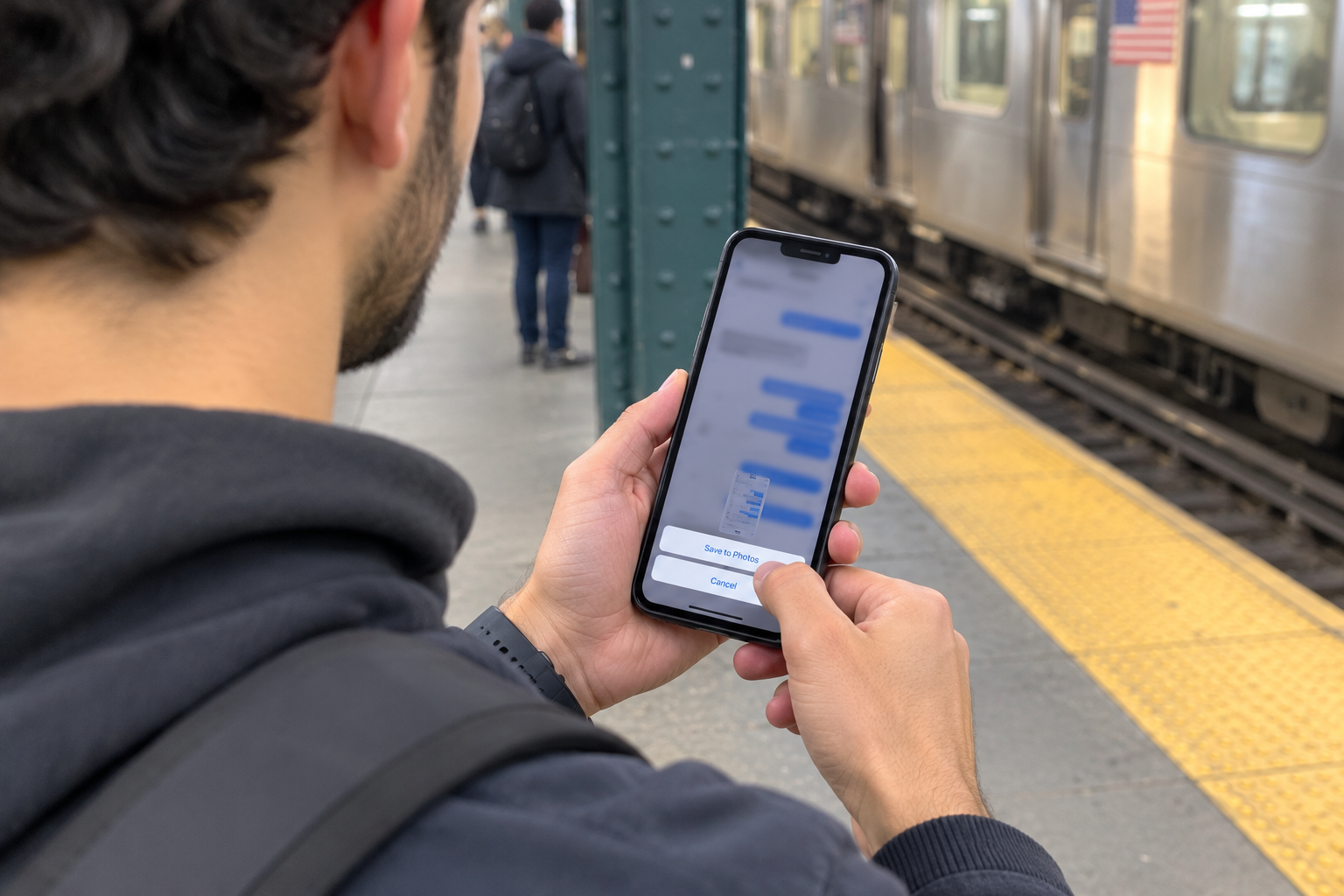
Worker saving messages on a phone on a subway platform

The deadline is shorter than for unpaid wages. A retaliation claim under New York’s Labor Law generally has to be brought within two years. Filing a complaint with the Department of Labor pauses that clock while the Department handles it. A federal retaliation claim generally has two years, or three if the violation was willful. Don’t wait to find out which one applies to you.

  1. Write down the dates: when you complained, to whom, how, and what happened after.
  2. Save the evidence: texts, WhatsApp messages, schedules, pay stubs and photos of time sheets. Keep copies somewhere your employer can’t reach.
  3. List your witnesses: the coworkers who saw or heard what happened.
  4. Don’t sign anything yet: no release, separation agreement or statement about your pay before a lawyer reads it.
  5. Ask for your final pay in writing if it hasn’t come.

How The Samuel Law Firm can help

Michael Samuel

Michael Samuel has practiced law in New York since 1993 and has been counsel in more than 500 federal wage and hour cases, most of them for workers. Court-approved wage results for workers are on our results page. Prior results do not guarantee a similar outcome.

When you call, we go over what you complained about, what happened after, and what you were paid against the hours you worked, so we can tell you whether you have a retaliation claim, a wage claim or both. Wage cases are handled on contingency, so a first conversation costs nothing. Call (212) 563-9884. Hablamos español: lea este artículo en español.

Frequently asked questions

No. New York’s Labor Law bars an employer from firing, threatening, penalizing or otherwise retaliating against a worker who complains about a pay violation, as long as the worker reasonably and in good faith believed something was wrong. Federal law has a similar protection.

Both count. New York law protects complaints to your employer, the Department of Labor or the Attorney General, and the complaint doesn’t have to name a law. Under federal law, the Second Circuit has held since 2015 that complaints to the employer, spoken or written, are protected if they are clear enough to be understood as asserting your rights.

No. New York’s Labor Law treats threatening to contact immigration authorities, or reporting or threatening to report a worker’s immigration status, as retaliation. The New York Attorney General’s office says wage protections apply regardless of immigration status.

Under New York law, a court can order reinstatement or front pay, the pay you lost, liquidated damages of up to $20,000, and your attorney’s fees and costs. Federal law allows lost wages plus an equal amount as liquidated damages. Any unpaid wages you were owed are a separate claim on top.

Generally two years under New York’s Labor Law, with the clock paused while a Department of Labor complaint is pending, and two or three years under federal law. Unpaid wage claims under New York law usually go back six years. Talk to a lawyer soon.

Not for a retaliation claim under New York law. It is enough that you reasonably and in good faith believed the pay practice was illegal when you complained.

Talk it through

Free, confidential call. I answer directly.

I am Michael Samuel. I have practiced law in New York since 1993 and I handle wage and hour cases in the Southern and Eastern Districts of New York and in the state courts. I represent employees who are owed wages, and I also defend employers in these cases, which means I know exactly how the other side argues about hours, tips and the records it kept.

If you work in a New York restaurant and your pay doesn’t add up, it costs nothing to find out where you stand. The call is free and confidential, and I answer directly.

Call 212-563-9884, email michael@thesamuellawfirm.com, or use the contact form. Hablamos español: 929-696-1725.

For more on overtime and unpaid wages in New York, see our unpaid wages and overtime page. Delivery drivers on a route should also read FedEx and Amazon delivery drivers in New York.

Attorney Advertising. This article is general information about New York law and is not legal advice about your situation. Reading it does not create an attorney client relationship. Prior results do not guarantee a similar outcome.


The Samuel Law Firm

1441 Broadway, Suite 6085

New York, NY 10018

212-563-9884

Contact Us

Sued, owed wages, or injured? Talk to a New York litigator today.

The Samuel Law Firm is a litigation firm in Manhattan. Michael Samuel defends businesses in ADA lawsuits, website and premises, in wage and hour cases, and in contract and commercial disputes, and represents employees owed wages and people injured by negligence. He has practiced in New York since 1993 and appears in the Southern and Eastern Districts of New York and the New York state courts. Call 212-563-9884 for a free consultation; he answers directly