
Sued by Kravets & Associates? What a New York Business Owner Needs to Know

Your deadline, the choice to move the case, and what a defense looks like

By Michael Samuel, ADA defense attorney in New York

Shop owner reading court papers at a packing table

If you were served with a summons and complaint from Kravets & Associates, P.C., signed by attorney Aleksandra Kravets, you are not alone. The firm files website accessibility lawsuits in New York State Supreme Court, mostly in Queens and Brooklyn, for blind plaintiffs who say they couldn’t buy from a website using a screen reader. Most of the recent cases name Nestor Alfonso or Edwin Vidals as the plaintiff.

My name is Michael Samuel. I am an ADA defense attorney in New York, admitted in 1993, and I have defended about 100 ADA cases since 2019, most of them about websites. This article explains who filed your lawsuit, what the complaint asks for, what your deadline is, and what a defense realistically looks like.

The most important facts first. These cases are in state court, so you generally have 20 days to respond if the papers were handed to you personally in New York, and 30 days if they were served another way. And unlike many state court website lawsuits, a Kravets & Associates complaint includes a federal ADA claim. That gives your business a choice most state court defendants don’t have: moving the case to federal court. That choice has its own 30 day limit, so it has to be made early.

See every ADA lawsuit Kravets & Associates has filed in New York, newest first, on our ADA lawsuit tracker, updated daily from the court records.

Who Kravets & Associates is

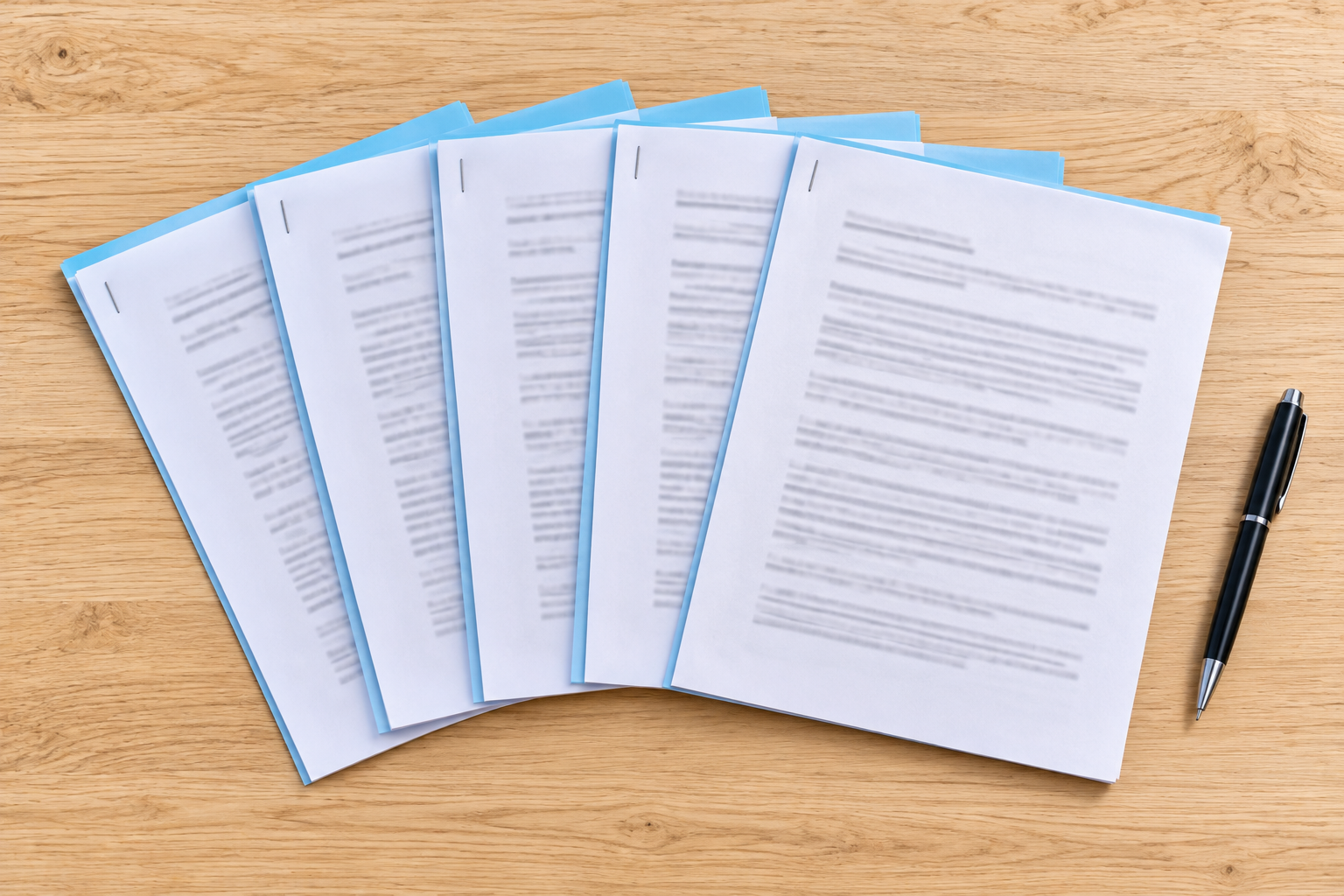
Seven identical stapled court papers fanned out on a desk

Kravets & Associates, P.C. is the name attorney Aleksandra Kravets uses on her New York complaints, with an office address in White Plains. Her Florida firm, Aleksandra Kravets, Esq. P.A., files ADA lawsuits there in volume: federal court records list it on more than 250 ADA cases in Florida’s three federal districts since June 2024, against restaurants, stores and national brands.

In New York the firm files in state court. It was already filing in Queens by late 2025. Our tracker, which covers New York state court cases from July 2026, lists 16 of its cases filed between August 20 and November 16, 2026:

  • 13 in Queens County, all for Nestor Alfonso.
  • 3 in Kings County (Brooklyn), all for Edwin Vidals.

The cases come in batches: seven were filed on August 20 alone, three on September 21, and two each on October 20 and November 16. Most of the businesses sued are online shops selling things like jewelry, food, toys and bedding, and several are based outside New York.

None of that makes your lawsuit less real. A Kravets & Associates complaint is a court case with a deadline, and it should be treated that way from the day it arrives.

What the complaint says

Blind man using a laptop with headphones at home

We read one Kravets & Associates complaint in full: a Queens case filed in August 2026 against a New York jewelry dealer, which the business later moved to federal court. It follows a pattern worth knowing.

Five claims on one set of facts, plus a request for a declaration. The complaint sues under the New York State Human Rights Law, two sections of the New York Civil Rights Law, the New York City Human Rights Law and Title III of the federal Americans with Disabilities Act. It asks for an order to fix the website, damages, punitive damages, a penalty of $500 for each violation under the Civil Rights Law, attorney’s fees and a jury trial.

A cap of $74,999. Each money claim, and the request for relief at the end, says the plaintiff’s total recovery, including damages, fees and costs, will not exceed $74,999. That number isn’t a measure of what these cases settle for. It keeps the case under the $75,000 line that would let a business from another state move it to federal court on that ground alone. It doesn’t stop a move based on the federal claim, as the next section explains.

One visit, 16 problems. The plaintiff says he visited the site on one day in July 2026 using Narrator, the screen reader built into Windows, tried to buy one specific necklace, and couldn’t. The complaint then lists 16 specific barriers, such as buttons with no name a screen reader can announce, no “skip to main content” link, a logo whose description read out a file path, and menus and filters that don’t work from the keyboard. It says the site doesn’t meet even the most basic level (Level A) of the Web Content Accessibility Guidelines.

No warning first. The complaint says the plaintiff didn’t contact the business before suing because doing so would have been futile. For most owners the lawsuit is the first they hear of it. That statement can matter for the defense, as explained below.

A detailed reason to come back. The complaint spends two long paragraphs on the plaintiff’s wish to return and buy that necklace. Those details are written to get past a standing challenge, and they are where many defenses begin. See how to read an ADA lawsuit complaint, or upload yours to our free complaint checker for a plain-English summary of who is suing, what they want and the date to plan around.

Your deadline, and whether to move the case to federal court

Columned courthouse against a blue sky in autumn

The basic rule. In New York state court you generally have 20 days to respond if the summons was handed to you personally in New York, and 30 days if it was served another way, such as through the New York Secretary of State. The deadline runs from service, not from the day you read the papers, and a corporation or LLC has to respond through a lawyer. More: what is different about a website lawsuit in New York state court.

The choice to move the case. Because the complaint includes a claim under the federal ADA, the business can usually remove the case to federal court, here the Eastern District of New York, which covers Queens and Brooklyn. The notice of removal generally has to be filed within 30 days of being served, and this route is open even to a business based in New York. The other route to federal court, for parties from different states with more than $75,000 at stake, is closed by the $74,999 cap.

What the records show. All three Kravets & Associates cases we found in federal court got there this way, each moved by the business from Queens:

  • In October 2026, a jewelry dealer removed its case 30 days after its registered agent was served.
  • In November 2025, a bookseller removed its case, answered a week later and was sent to the court’s mediation program. The case was dismissed by agreement about four and a half months after removal.
  • In December 2025, an online beauty brand removed its case, got two extensions of time to answer, and told the court in late January 2026 that the case had settled. It was dismissed by agreement in March.

The terms of those two resolutions were not filed with the court.

Removal is a choice, not a win. In federal court the plaintiff has to meet the federal standing rules, and some New York federal judges have held that the ADA doesn’t cover a business that exists only online. But if the federal claim falls away, a federal judge can send the New York State and City claims back to state court, and those are the claims that carry money. After removal, the answer is due 7 days after the notice of removal is filed or 21 days after service, whichever is later. Decide with a lawyer, in the first weeks, which court gives your business the better footing.

Don’t call Kravets & Associates yourself. Let your lawyer make the first contact. What you say can be used in the case, and the first conversation often sets the tone for any resolution.

What can work in your defense

Hand pressing Tab, a focus ring on screen

The plaintiff never asked. The complaint says the plaintiff didn’t contact the business before suing. In 2026 the Manhattan state court dismissed two website complaints this firm defended, Sumlin v. Royal Batch and Alexandria v. Just Shades, in part because the plaintiff had never asked the business for an accommodation. In Alexandria the court also held that website design flaws aren’t a “policy or practice,” a theory this complaint relies on too. Both decisions, with the index numbers, are on our results page. These are trial court decisions from New York County. Judges in Queens and Brooklyn may see the same arguments differently, and prior results do not guarantee a similar outcome.

Standing. A plaintiff has to show a real injury and a real intention to return. When the same plaintiff files many near-identical lawsuits, courts look at those claims harder; in Sumlin the court found a serial plaintiff’s standing allegations inherently incredible. The detailed return story in these complaints is written to answer that argument, so the result depends on the facts.

Notice to the Attorney General. New York’s Civil Rights Law requires notice of a claim under these sections to be served on the Attorney General at or before the start of the case. The complaint we read doesn’t say whether that was done. Ask your lawyer to check.

A business outside New York. The complaint relies on New York’s long-arm law to sue out-of-state sellers that ship into the state. Whether that reaches your business depends on what you actually do here. See sued in New York when your business is in another state.

The website itself. Check each barrier the complaint lists against your site. A properly fixed and documented website can take the federal claim off the table and protects you from the next plaintiff, but it doesn’t erase the state and city claims by itself. See whether to fix your website before or after you respond. If resolving early is the right answer, see how much it costs to settle an ADA website case.

How The Samuel Law Firm can help

Michael Samuel

Michael Samuel has defended about 100 ADA cases since 2019, most of them about websites, in New York state court and in the federal courts in Manhattan and Brooklyn. For website cases, the firm charges a flat fee that covers all work up to trial, including a motion to dismiss.

When a Kravets & Associates complaint comes in, we check how and when you were served, decide with you whether to stay in state court or move to federal court before the 30 days run out, read the complaint against your website, and tell you what a defense or a resolution would look like before you decide anything.

When a client’s site is being fixed, we line up the timing and the documentation with the legal strategy, so the work counts in the case and not just on the site.

For the website itself, we work with Codexyo, an independent web accessibility team that fixes sites like yours. They are not lawyers, and you’re free to use anyone.

Call (212) 563-9884 before your deadline.

Frequently asked questions

In New York state court, generally 20 days if the summons was handed to you personally in New York and 30 days if it was served another way, such as through the Secretary of State, counted from service. If you want to move the case to federal court, the notice of removal generally has to be filed within 30 days of service, so have a lawyer look at it right away.

Usually yes, because the complaint includes a claim under the federal ADA, and that is true even for a business based in New York. The notice of removal generally has to be filed within 30 days of service. Whether moving helps depends on your business and the complaint, because the New York State and City claims can be sent back to state court.

Yes. These are lawsuits filed in New York State Supreme Court by Kravets & Associates, P.C., and each one is a real court case with a deadline, even though the same plaintiff has sued many other businesses. Ignoring it can lead to a default judgment.

The complaint we read says the plaintiff didn’t contact the business before suing because it would have been futile, so for many owners the lawsuit is the first notice. That can matter for the defense. Two Manhattan state court decisions in 2026 dismissed website complaints in part because the plaintiff never asked the business for an accommodation.

Let your lawyer make the first contact. What you say can be used in the case, and the first conversation often sets the tone for any resolution.

Some cases like these can. In 2026 The Samuel Law Firm won dismissals of two website accessibility lawsuits in Manhattan state court, including one where the court found a serial plaintiff’s standing allegations inherently incredible. Whether yours can be depends on the complaint, the court and the facts, and prior results do not guarantee a similar outcome.

Talk it through

Free consultation, flat fee quoted before you commit

I am Michael Samuel. I have practiced law in New York since 1993 and I have handled roughly a hundred ADA accessibility matters, most of them website cases, for the business on the receiving end. If a letter or a lawsuit about your website has arrived, the first call costs nothing and you will get a straight answer about where you stand. I handle website accessibility defense on a flat fee, quoted before you commit, so you know the number up front.

Recent decisions in these cases, with the courts and index numbers, are on my results page. Prior results do not guarantee a similar outcome. If you were sued by another firm that files in New York state court, see what to know about Mizrahi Kroub lawsuits and what to know about KSS Law lawsuits.

For a free consultation, call 212-563-9884, email michael@thesamuellawfirm.com, or use the contact form.

Attorney Advertising. This article is general information about New York law and is not legal advice about your situation. Reading it does not create an attorney client relationship.


The Samuel Law Firm

1441 Broadway, Suite 6085

New York, NY 10018

212-563-9884

Contact Us

Sued, owed wages, or injured? Talk to a New York litigator today.

The Samuel Law Firm is a litigation firm in Manhattan. Michael Samuel defends businesses in ADA lawsuits, website and premises, in wage and hour cases, and in contract and commercial disputes, and represents employees owed wages and people injured by negligence. He has practiced in New York since 1993 and appears in the Southern and Eastern Districts of New York and the New York state courts. Call 212-563-9884 for a free consultation; he answers directly