Settling a Wage Lawsuit in New York? Why the Judge Has to Approve It

The deal isn't done when everyone signs

By Michael Samuel, New York litigator

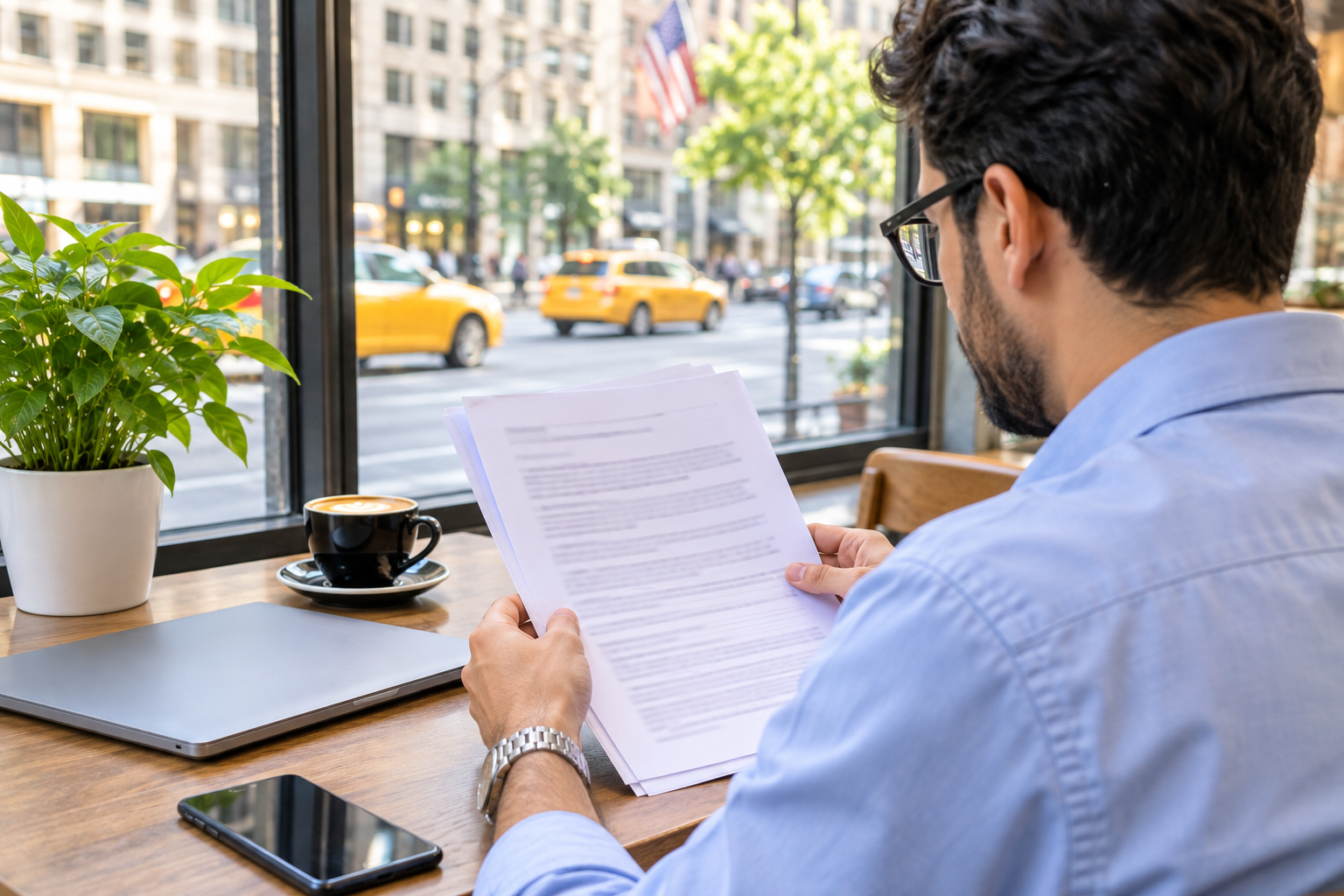
Business owner reading an agreement at a café table

If your business has been sued in federal court in New York for unpaid wages or overtime under the Fair Labor Standards Act (FLSA), you may assume that once you and the worker agree on a number, the case is over. In most cases it isn’t. A judge, or the U.S. Department of Labor, has to approve the settlement first.

That rule comes from Cheeks v. Freeport Pancake House, decided by the Second Circuit, the federal appeals court that covers New York, on August 7, 2015. The court held that when the parties settle FLSA claims and agree to dismiss them for good, that dismissal needs the approval of the district court or the Department of Labor to take effect.

Knowing this before you negotiate shapes what you can agree to and how long it takes to close the case. If you haven’t responded to the complaint yet, that comes first: you generally have 21 days after service in federal court.
What the judge looks at

Empty sunlit courtroom with wooden benches

Federal judges in Manhattan and Brooklyn ask whether the settlement is fair and reasonable. Many use the factors set out in Wolinsky v. Scholastic Inc. (S.D.N.Y. 2012):

  • the worker’s range of possible recovery;
  • how far the settlement lets both sides avoid the burden and expense of proving their claims and defenses;
  • how serious the litigation risks are for each side;
  • whether the deal came from arm’s-length bargaining between experienced lawyers; and
  • whether there is any sign of fraud or collusion.

In practice that means the court wants to see the math: what the worker claims is owed, why the settlement amount makes sense against that number, and how the money is split, including the attorney’s fee. The parties usually submit the agreement with a letter explaining all of it, so expect the terms to be on the court’s docket.

Terms that get settlements rejected

Hand striking through a paragraph in red

In Cheeks, the Second Circuit pointed to settlements that trial judges had refused to approve and explained why judicial review is needed. The problem terms it described are the ones to avoid in a draft agreement:

  • Strict confidentiality. A “battery of highly restrictive confidentiality provisions” was found to be in strong tension with the purpose of the FLSA.
  • A release that goes far beyond wages. A release waiving “practically any possible claim,” including unknown claims with no connection to wages and hours, was rejected.
  • Attorney’s fees without support. A fee of 40 to 43.6 percent of the total settlement, without documentation to back it up, was a reason for rejection.

A business that insists on these terms risks having the court send the deal back, which means more time, more legal fees and another round of negotiation. A settlement written with the review in mind usually moves faster.

The other route: an offer of judgment

Two lawyers talking in a bright conference room

There is a second way to end an FLSA case. Under Federal Rule of Civil Procedure 68, a business can make a formal written offer to let judgment be entered against it on specified terms. In Mei Xing Yu v. Hasaki Restaurant (December 6, 2019), the Second Circuit held that when the worker accepts that kind of offer, the judgment doesn’t need the court’s fairness approval. The clerk enters it.

That can be faster, but it comes with tradeoffs:

  • It is a judgment against your business, entered on the public record, not a private settlement.
  • The offer has to cover costs then accrued, and in wage cases that usually means the worker’s attorney’s fees up to that point.
  • It can shift costs if refused. If the worker turns the offer down and later recovers less, the worker must pay the costs incurred after the offer was made.

Whether an offer of judgment beats a negotiated settlement depends on the numbers, how early it is made and how much the business cares about having a judgment on the record.

What this means for your business

Dry cleaner owner reviewing records on a tablet
  • Budget time for approval. Signing the agreement starts the court’s review. It doesn’t end the case.
  • Expect the terms to be public. The court has to see the agreement to approve it, and a strict confidentiality clause can sink it.
  • Keep the release to wage claims. A narrow release tied to the claims in the case is what courts expect.
  • Know the worker’s numbers. The court will compare the settlement to what the worker claims is owed, so your own payroll and time records carry the most weight in negotiating it.

Many wage complaints also include New York Labor Law claims for missing wage notices and pay stubs, which carry their own amounts. See what those claims are worth.

How The Samuel Law Firm can help

Michael Samuel

Michael Samuel has practiced law in New York since 1993 and has been counsel in more than 500 federal wage and hour cases, most of them for workers. He has drafted, negotiated and presented these settlements to federal judges in Manhattan and Brooklyn, and knows what gets approved.

When a wage lawsuit comes in, we check your deadline, compare the worker’s claimed numbers with your payroll and time records, and decide whether to fight, settle or make an offer of judgment. If the case settles, we draft an agreement and an approval letter built to pass the court’s review the first time.

Call (212) 563-9884 before your answer deadline. Fees are agreed before you commit, and the first strategy session is free. More on how we defend these cases: wage and hour defense for New York employers.

Frequently asked questions

Settlements that dismiss FLSA claims with prejudice by stipulation in federal court need approval from the judge or the Department of Labor under the Second Circuit’s 2015 Cheeks decision. An accepted Rule 68 offer of judgment does not need that approval, under the Second Circuit’s 2019 Hasaki decision.

Usually not in any strict way. The agreement is normally submitted to the court for review, and the Second Circuit has described highly restrictive confidentiality provisions as in strong tension with the purpose of the FLSA. Expect the terms to be public.

Courts in New York have rejected releases that waive practically any possible claim, including unknown claims unrelated to wages and hours. A release limited to the wage claims in the case is what courts usually expect.

It is a formal written offer under Federal Rule of Civil Procedure 68 to let judgment be entered against the business on stated terms, including costs then accrued. If the worker accepts, the clerk enters the judgment without a fairness review. If the worker refuses and later recovers less, the worker pays the costs incurred after the offer.

Whether it is fair and reasonable, looking at the worker’s possible recovery, the burdens and risks both sides avoid by settling, whether experienced lawyers bargained at arm’s length, and any sign of fraud or collusion. The court also reviews the attorney’s fee.

Generally 21 days after you are served, or 60 days from when a waiver of service request was sent if you signed and returned it. Have a lawyer confirm the exact date right away.

Talk it through

Free strategy session, fees agreed before you commit

I am Michael Samuel. I have practiced law in New York since 1993 and have been counsel in more than 500 federal wage and hour cases, most of them for workers, so I know how these cases are built from the other side. If your business has been served with a wage lawsuit, the first strategy session costs nothing and you will get a straight answer about where you stand. Fees are agreed before you commit.

For more on how I defend these cases, see my wage and hour defense for employers page.

For a free strategy session, call 212-563-9884, email michael@thesamuellawfirm.com, or use the contact form.

Attorney Advertising. This article is general information about New York law and is not legal advice about your situation. Reading it does not create an attorney client relationship.


The Samuel Law Firm

1441 Broadway, Suite 6085

New York, NY 10018

212-563-9884

Contact Us

Sued, owed wages, or injured? Talk to a New York litigator today.

The Samuel Law Firm is a litigation firm in Manhattan. Michael Samuel defends businesses in ADA lawsuits, website and premises, in wage and hour cases, and in contract and commercial disputes, and represents employees owed wages and people injured by negligence. He has practiced in New York since 1993 and appears in the Southern and Eastern Districts of New York and the New York state courts. Call 212-563-9884 for a free consultation; he answers directly