Can an Online-Only Business Be Sued Under the ADA? What New York Courts Say

Same plaintiff, same courthouse, two different answers

By Michael Samuel, ADA defense attorney in New York

Founder packing orders in a Bushwick studio with no storefront

In 2025, the same blind plaintiff sued two companies over their websites in the same Manhattan federal court. Both companies argued that their websites had no physical store behind them. In April, Judge Jennifer Rochon let her case against one of them go forward, ruling that a commercial website is covered by the Americans with Disabilities Act on its own. In December, Judge Arun Subramanian threw out her federal case against the other, ruling that it isn’t.

If your business sells only online and you’ve just been sued over your website, that split is the most important thing to understand. Here is what the December ruling says, why it doesn’t settle the question in New York, and what it can and can’t do for you.

What the judge decided in Fernandez v. Gainful Health

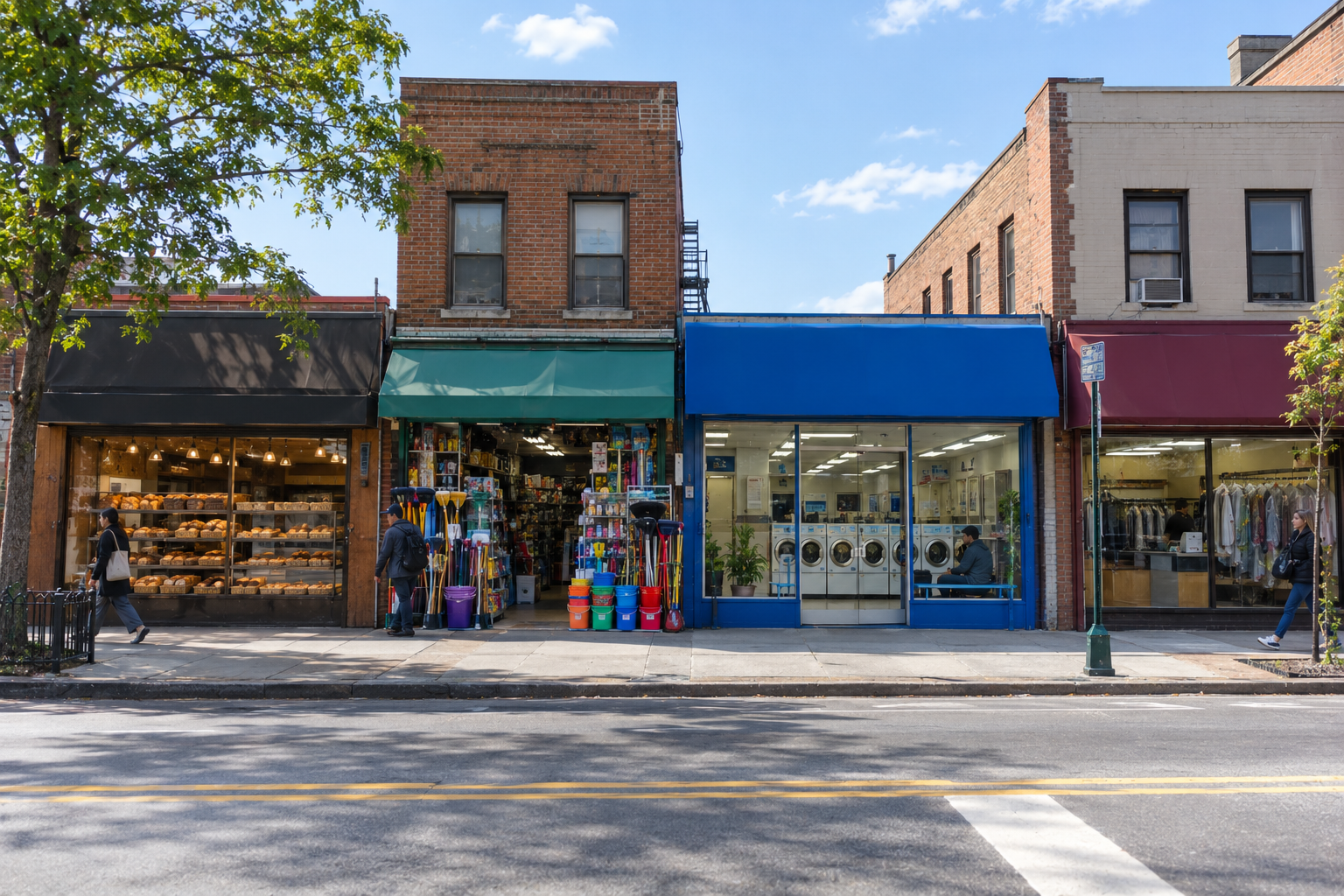
A Queens block of small shops: bakery, hardware store, laundromat

The ADA’s rules for private businesses apply to a “place of public accommodation.” The law defines that term with twelve categories of businesses and about fifty examples: restaurants, bakeries, hardware stores, laundromats, banks, theaters and so on.

In Fernandez v. Gainful Health (December 10, 2025), Judge Subramanian of the federal court in Manhattan held that this list describes physical places, and that a business that exists only as a website isn’t one. He followed an earlier Brooklyn federal decision, Winegard v. Newsday (2021), which noted that dictionaries overwhelmingly define a “place” as a physical location. He dismissed the federal ADA claim for good, without letting the plaintiff try again.

He did not decide the claim under the New York City Human Rights Law. He dismissed it in a way that leaves the plaintiff free to refile it in state court, and he pointed out that the city law covers any “place or provider of public accommodation,” wording that New York courts could read more broadly than the ADA.

Why this isn't settled in New York

A park path splitting in two directions, seen from above

Judges in the same courts disagree. Several New York federal judges have taken the same view as Fernandez, including in Winegard (2021) and in two Manhattan decisions from 2024, Sookul v. Fresh Clean Threads and Mejia v. High Brew Coffee. Others have ruled that a commercial website is covered on its own, including Romero v. 88 Acres Foods (2022) and Fernandez v. Vanilla Chip (2025).

The appeals court hasn’t ruled. The Second Circuit, the federal appeals court that covers New York, has not decided the question. Elsewhere, most federal appeals courts that have looked at it tie the ADA to physical places, while at least two read it more broadly. In 2019, the Supreme Court declined to hear a website case against Domino’s Pizza that could have settled the split.

The judge you draw matters. The argument now comes up often enough that at least one Manhattan federal judge’s standard order in new website cases tells both sides to discuss whether the site is a “standalone website,” meaning a business with no physical location. Even so, the answer can still depend on which judge gets your case.

It’s a federal defense. Many New York website cases are filed in state court under state and city law. Fernandez doesn’t decide those claims, and the judge noted that there is no controlling law yet on whether the city law reaches online-only businesses.

What this means for your business

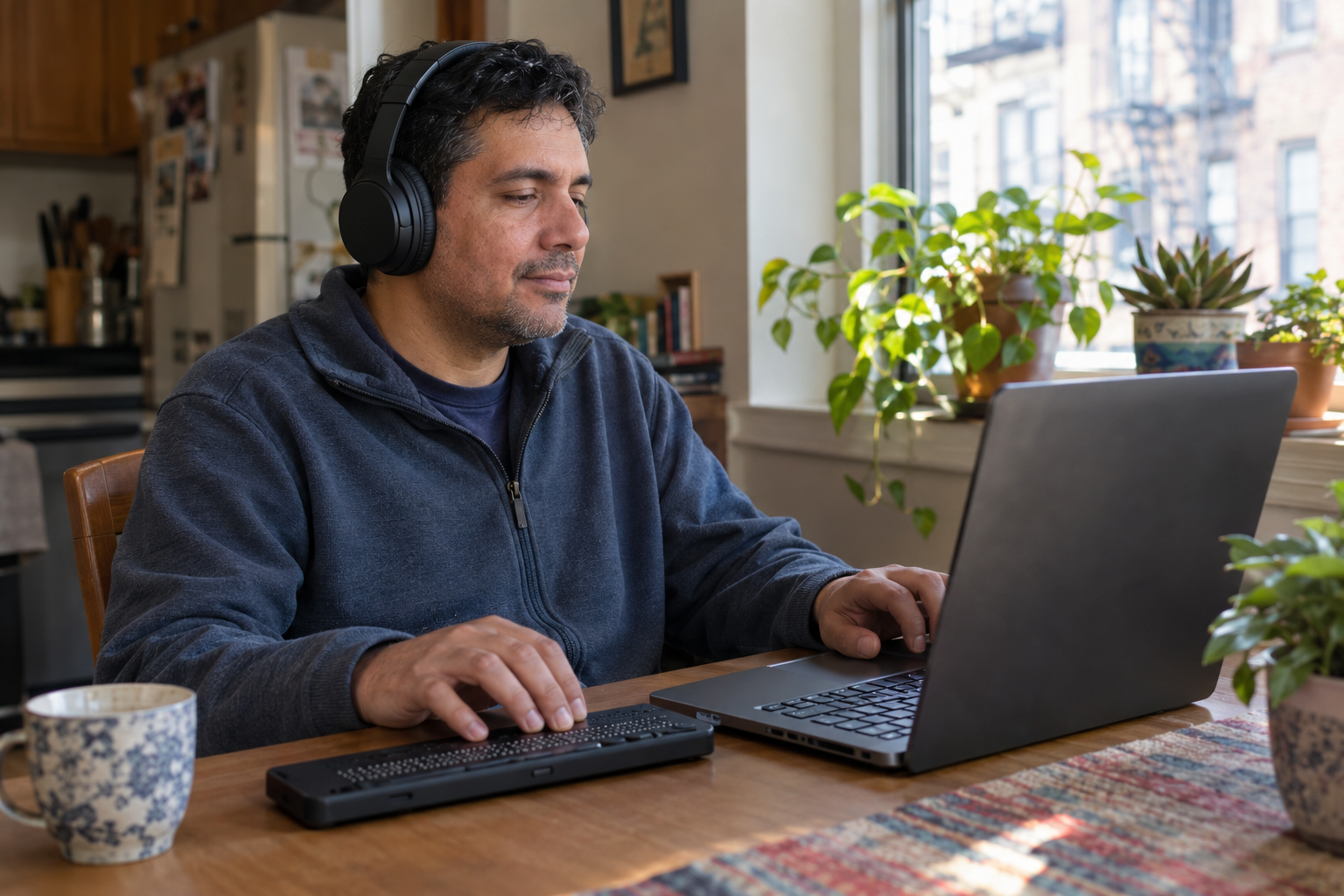
Blind shopper using a screen reader and braille display at home

If customers can walk into your store, restaurant, salon or office, this defense probably won’t help. Even judges who take the narrow view say a website connected to a physical place of business can be covered, like a shop’s online store or a restaurant’s online ordering.

If you sell only online and the case is in federal court, this can be a strong argument for an early motion to dismiss, alongside standing, which turns on whether the plaintiff genuinely intends to come back to your site.

A win on this point may not end the case. In Fernandez, the federal claim ended, but the city law claim was left for state court. Plan for that before you decide how to respond.

Your deadline still runs. Selling only online doesn’t pause the time to answer: generally 21 days after service in federal court, and 20 or 30 days in New York state court depending on how you were served. See how to read the complaint, or upload it to our free complaint checker for a plain-English summary.

Fixing the site still pays off. A legal defense ends one case. An accessible site lowers the risk of the next one, in whichever court it’s filed. See whether to fix your website before or after you respond.

How The Samuel Law Firm can help

Michael Samuel has defended about 100 ADA cases since 2019, most of them about websites. When an online-only business is sued, whether its site even counts as a “place of public accommodation” is one of the first things we check, along with standing and the plaintiff’s filing history.

For website cases, the firm charges a flat fee that covers all work up to trial, including a motion to dismiss, so raising this argument doesn’t change what you pay.

Recent dismissals the firm has won, with the courts and case numbers, are on our results page.

Frequently asked questions

Yes, it can be sued, and many are. Whether the claim survives is another question: some New York federal judges, including in Fernandez v. Gainful Health (2025), have ruled the ADA doesn’t cover a business that exists only online, while others have ruled it does. The Second Circuit hasn’t decided.

Not automatically. It decided only that case, and other judges in the same court have ruled the other way. It gives your lawyer a strong argument to raise, especially in federal court.

Not always. In Fernandez, the judge dismissed the federal claim but left the New York City Human Rights Law claim for the plaintiff to refile in state court. The city law covers any “place or provider” of public accommodation, and New York courts haven’t settled how that applies to online-only businesses.

Probably not. Even judges who read the ADA narrowly say a website connected to a physical store or restaurant can be covered. Other defenses, such as standing, may still apply.

Usually, yes. A legal defense ends one case, while an accessible site lowers the risk of the next one, in any court. Talk to your lawyer about timing and documentation first.

Talk it through

Free consultation, flat fee quoted before you commit

I am Michael Samuel. I have practiced law in New York since 1993 and I have handled roughly a hundred ADA accessibility matters, most of them website cases, for the business on the receiving end. If a letter or a lawsuit about your website has arrived, the first call costs nothing and you will get a straight answer about where you stand. I handle website accessibility defense on a flat fee, quoted before you commit, so you know the number up front.

Recent decisions in these cases, with the courts and index numbers, are on my results page. Prior results do not guarantee a similar outcome. If your letter came from a firm we have written about, see what to know about Equal Access Law Group letters and what to know about Apex Trial Law letters.

For a free consultation, call 212-563-9884, email michael@thesamuellawfirm.com, or use the contact form.

Attorney Advertising. This article is general information about New York law and is not legal advice about your situation. Reading it does not create an attorney client relationship.


The Samuel Law Firm

1441 Broadway, Suite 6085

New York, NY 10018

212-563-9884

Contact Us

Sued, owed wages, or injured? Talk to a New York litigator today.

The Samuel Law Firm is a litigation firm in Manhattan. Michael Samuel defends businesses in ADA lawsuits, website and premises, in wage and hour cases, and in contract and commercial disputes, and represents employees owed wages and people injured by negligence. He has practiced in New York since 1993 and appears in the Southern and Eastern Districts of New York and the New York state courts. Call 212-563-9884 for a free consultation; he answers directly