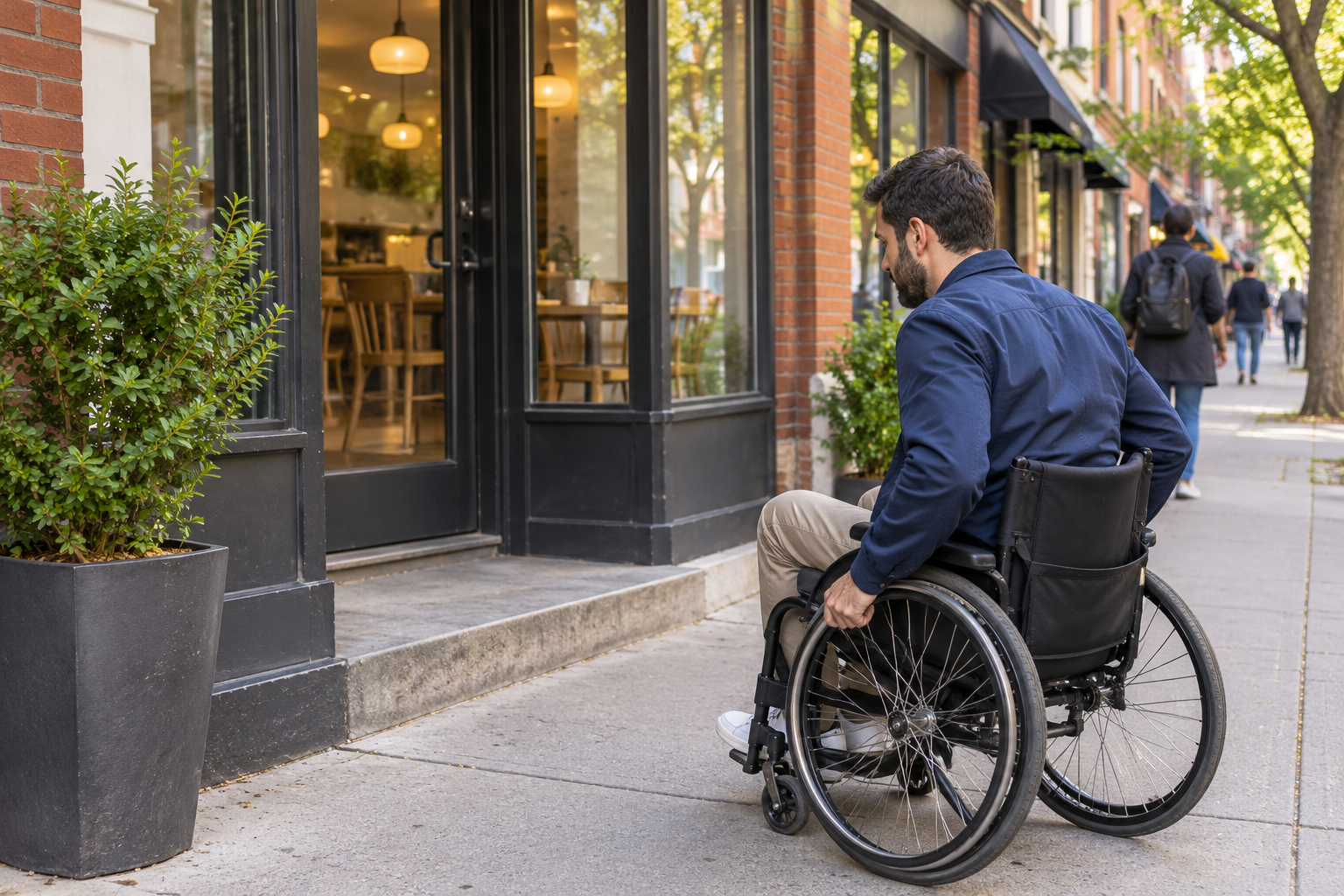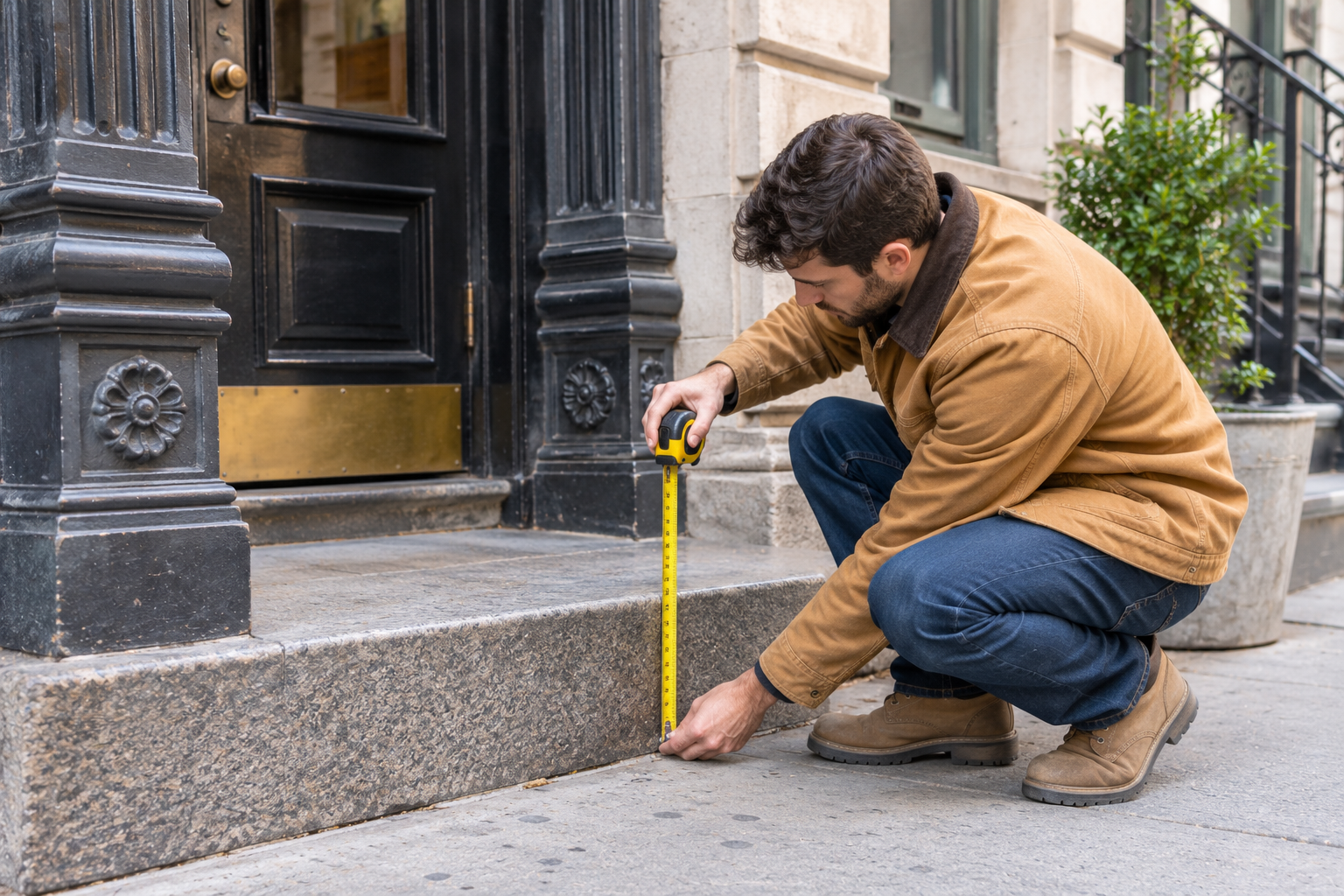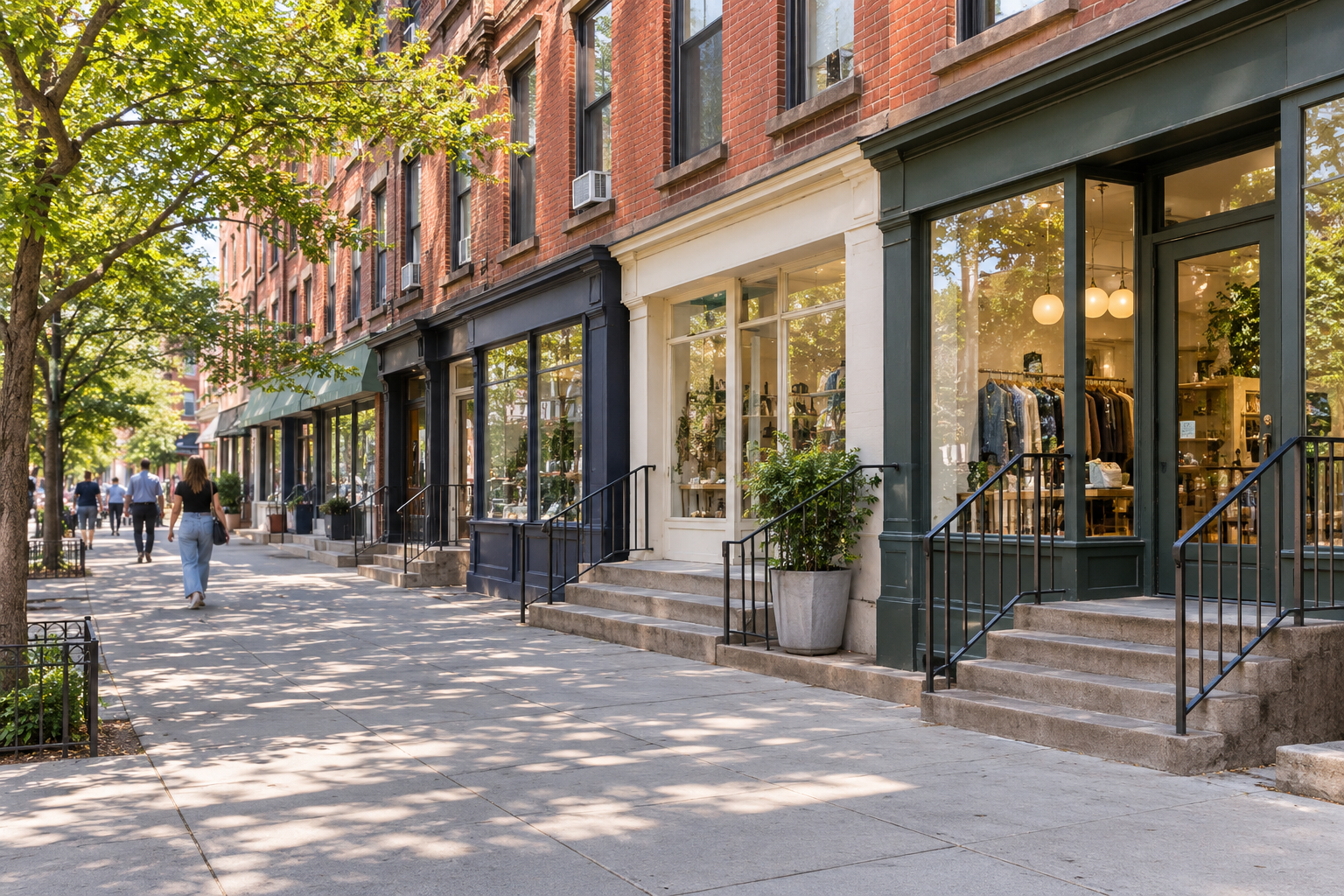
Most ADA lawsuits about a physical place in New York, a step at the door, a narrow aisle, a restroom a wheelchair can’t use, name two defendants: the business that operates the space and the company that owns the building. If you are one of them, the other one is probably in the case too, even if you have never spoken about accessibility.
My name is Michael Samuel. I am an ADA defense attorney in New York, admitted in 1993, and I have defended about 100 ADA cases since 2019, including physical access cases against stores, restaurants and the companies that own their buildings. This article explains who is responsible to the person suing, who pays between landlord and tenant, and how to keep that question from making the case more expensive.
The short answer. To the plaintiff, the landlord and the tenant are each responsible for access. Between the two of you, the lease decides who pays and who does the work. Those are two different questions, and mixing them up is one of the most common and costly mistakes in these cases.