Should You Fix Your Website Before or After Responding to an ADA Lawsuit?

Fix it, but in the right way and the right order

By Michael Samuel, ADA defense attorney in New York

Tea shop owner in Chinatown looking at a laptop at her counter

Most business owners who receive an ADA website letter or lawsuit ask the same thing: should I fix the site now, or wait until the legal side is settled?

The short answer is to fix it, and soon. A properly fixed website can end the federal part of the case, weaken the other side’s position, and protect you from the next claim. But how you fix it, and how you prove you fixed it, matters as much as the fixing itself. So does the order you do things in.

How fixing your site can end the federal claim

Developer's screen showing new code beside a braille display

Under the federal ADA, a private plaintiff can only ask a court for one thing besides attorney’s fees: an order to fix the website. If the site is already fixed, there may be nothing left for the court to order. Lawyers call that mootness.

Courts don’t take a business’s word for it. To end a claim this way, you have to show that the problems are fully fixed and that there’s no reasonable expectation they’ll come back. Judges call this a formidable burden, and it’s met with sworn statements and testing records, not promises.

New York federal courts have accepted it in website cases. In Diaz v. Kroger (2019), a Manhattan federal judge dismissed a website case as moot after the company showed it had fixed the problems and committed to keeping the site accessible. The court rejected the argument that website cases can never be moot simply because websites change.

More recently, in Jones v. Moscot.com (March 2026), another Manhattan federal judge dismissed the federal claim against an eyewear retailer. The company showed it had worked with an outside accessibility firm since 2023, checked every barrier named in the complaint, fixed the one minor issue it found, and kept testing. The plaintiff offered nothing to contradict that record.

Fixing also changes the fee picture, though not completely. Under the federal ADA, a plaintiff whose claim ends because you fixed the site on your own generally can’t collect attorney’s fees for it, because no court ruled in their favor. New York City’s Human Rights Law is different: it can treat a plaintiff whose lawsuit prompted the change as the winner for fee purposes, even if the change was voluntary. That’s one reason the city law claim matters so much in how these cases settle.

When fixing isn't enough

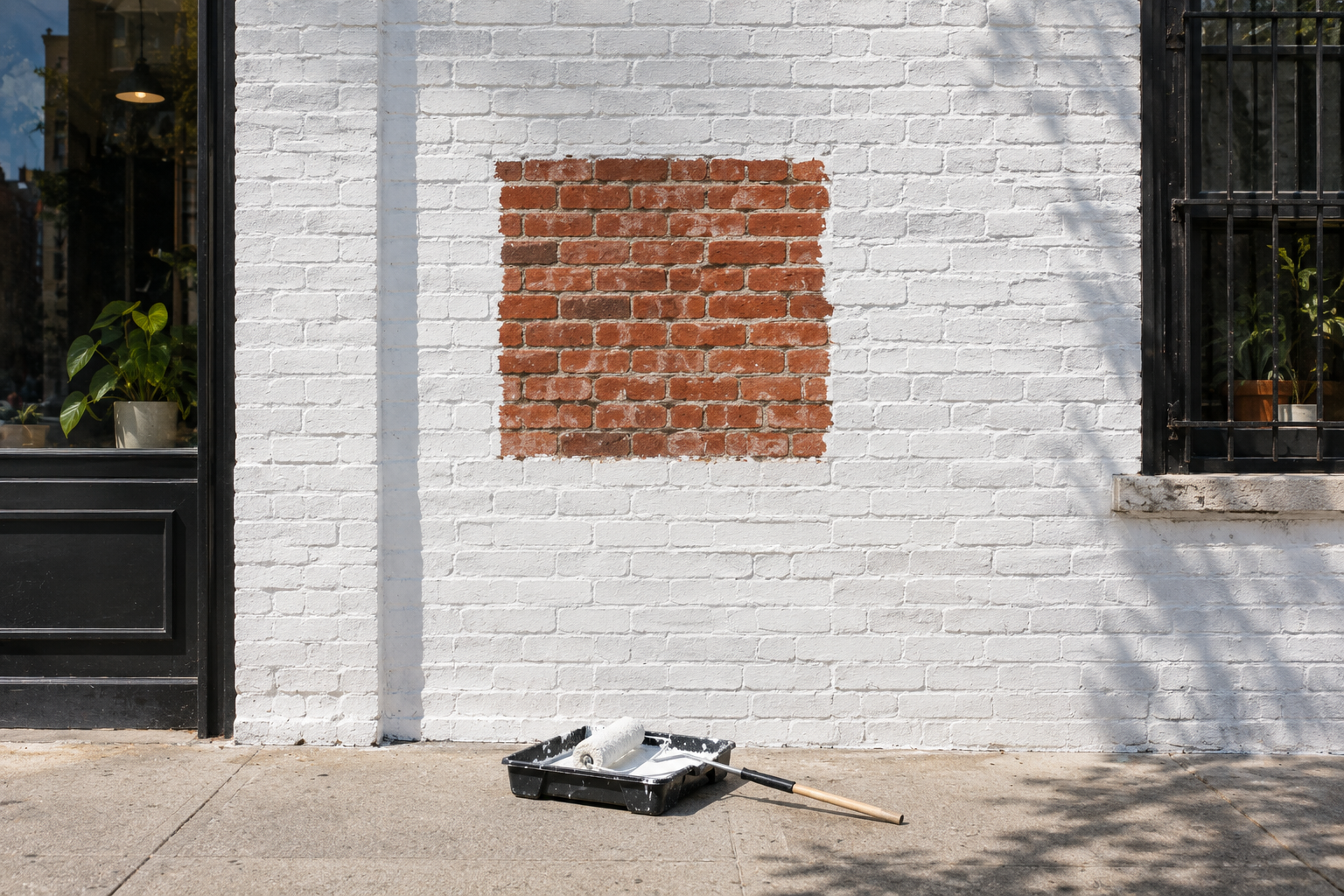
Freshly painted brick wall with one patch left unpainted

A partial fix doesn’t work. In Toro v. Artizan Coffee (2025), a coffee company told a Manhattan federal court it had fixed some 11,000 issues on its website. The plaintiff’s expert swore that six problems named in the complaint were still there, and the judge refused to dismiss the case. Courts in Manhattan routinely refuse to dismiss when the two sides’ evidence conflicts.

“We’re compliant” isn’t proof. Courts want evidence: what was wrong, what was changed and when, who did the work, and how it was tested afterward.

A widget doesn’t count. An accessibility toolbar doesn’t change the site’s code, so the barriers in the complaint are usually still there underneath. In Paguada v. Yieldstreet (2021), a business that had installed an accessibility plugin still couldn’t get the case dismissed once the plaintiff’s expert showed the problems remained. More on that in why accessibility widgets may not prevent ADA lawsuits.

State and city claims can survive. Fixing the site can end the federal claim, but claims for money under New York State and City law are about what already happened. In the Moscot case, after dismissing the federal claim, the judge declined to decide the city law claim and dismissed it in a way that left the plaintiff free to refile in state court. So a fix weakens the case. It doesn’t always end it.

The right order of steps

Clipped printouts, a USB drive and a rubber stamp on a white desk

1. Talk to your lawyer first. Whether you use the fix to negotiate or to ask the court to dismiss the case changes how it should be done and documented.

2. Save your site as it is now. Many demand letters and complaints formally ask you to preserve records about your website. Before changing anything, keep a dated copy of the affected pages.

3. Fix the code, not just the surface. Fix every barrier named in the letter or complaint, then check the rest of the site against WCAG 2.1 AA, the technical standard the Justice Department adopted for state and local government websites.

4. Document everything. A dated audit before the work, a list of every fix, a re-test afterward with a screen reader and a keyboard, and who did the work. That record is what a sworn statement to the court is built from.

5. Keep it fixed. Ongoing testing and a written commitment to accessibility. In Moscot, the company’s long-running work with an outside accessibility firm, begun before the lawsuit, was part of what convinced the judge the problems wouldn’t come back.

If you’ve just received a letter, start with what to do in the first 48 hours. If you’ve been served with a lawsuit, see how to read the complaint, or upload it to our free complaint checker for a plain-English summary. For what a resolution usually costs, see how much it costs to settle an ADA website case.

How The Samuel Law Firm can help

Michael Samuel

Michael Samuel has defended about 100 ADA cases since 2019, most of them about websites. For website cases, the firm charges a flat fee that covers all work up to trial, including a motion to dismiss.

When a client’s site is being fixed, we line up the timing and the documentation with the legal strategy, so the work counts in the case and not just on the site.

For the website itself, we work with Codexyo, an independent web accessibility team that fixes sites like yours. They are not lawyers, and you’re free to use anyone.

Frequently asked questions

It can end the federal ADA claim if the fixes are complete, documented and backed by ongoing testing, so there’s no reasonable expectation the problems will come back. Claims for money under New York State and City law may continue, sometimes in state court.

Usually not. A fixed site strengthens your position and protects you from the next claim. Talk to your lawyer first about timing and documentation, so the work also counts in the case.

Not if you save the old version first. Letters and complaints often ask you to preserve records, so keep a dated copy of the affected pages before changing anything, and check with your lawyer.

Usually not. A widget adds a toolbar on top of the site but doesn’t fix the underlying code. New York federal courts have refused to dismiss cases where a plugin was installed but the plaintiff showed the barriers were still there.

A dated audit before the work, a list of every fix, a re-test afterward, the name of whoever did the work, and a plan for ongoing testing. Your lawyer turns that record into the sworn statement a court will look at.

Talk it through

Free consultation, flat fee quoted before you commit

I am Michael Samuel. I have practiced law in New York since 1993 and I have handled roughly a hundred ADA accessibility matters, most of them website cases, for the business on the receiving end. If a letter or a lawsuit about your website has arrived, the first call costs nothing and you will get a straight answer about where you stand. I handle website accessibility defense on a flat fee, quoted before you commit, so you know the number up front.

Recent decisions in these cases, with the courts and index numbers, are on my results page. Prior results do not guarantee a similar outcome. If your letter came from a firm we have written about, see what to know about Equal Access Law Group letters and what to know about Apex Trial Law letters.

For a free consultation, call 212-563-9884, email michael@thesamuellawfirm.com, or use the contact form.

Attorney Advertising. This article is general information about New York law and is not legal advice about your situation. Reading it does not create an attorney client relationship.


The Samuel Law Firm

1441 Broadway, Suite 6085

New York, NY 10018

212-563-9884

Contact Us

Sued, owed wages, or injured? Talk to a New York litigator today.

The Samuel Law Firm is a litigation firm in Manhattan. Michael Samuel defends businesses in ADA lawsuits, website and premises, in wage and hour cases, and in contract and commercial disputes, and represents employees owed wages and people injured by negligence. He has practiced in New York since 1993 and appears in the Southern and Eastern Districts of New York and the New York state courts. Call 212-563-9884 for a free consultation; he answers directly