Sued by Sanders Law Group? What a New York Business Owner Needs to Know

A photo lawsuit: your deadline, what it can cost, and what to do first

By Michael Samuel, New York litigator

Small office owner comparing a printed page with her company website

If your business was just sued in federal court in New York over a photo on your website or your Instagram account, there is a good chance the lawyer on the complaint is Craig B. Sanders of Sanders Law Group. The firm represents photographers and photo agencies, and it files more of these lawsuits in New York’s federal courts than any other firm.

My name is Michael Samuel. I have practiced law in New York since 1993, and I defend businesses that are sued in the federal courts in Manhattan and Brooklyn. This article explains who filed your lawsuit, what it claims, what similar cases have actually cost, and which defenses can matter.

The most important fact first. In federal court you generally have 21 days from the day you were served to answer, or 60 days if you agreed to waive formal service. If nobody answers in time, the photographer can ask the court for a default judgment, and courts in these cases routinely award damages plus the photographer’s attorney’s fees.

Who Sanders Law Group is

Federal courthouse at Cadman Plaza in Brooklyn on a clear morning

Sanders Law Group is a law firm based in Uniondale, on Long Island, led by attorney Craig B. Sanders. Its copyright clients are professional photographers, photojournalists and photo agencies, many of them based in New York City, who license their pictures to publishers and businesses.

The firm files often. Since January 1, 2026, it has filed more than 60 copyright lawsuits in the Southern and Eastern Districts of New York, the federal courts for New York City, Long Island and the northern suburbs. In the 90 days to October 13, 2026, it filed 20 of the 98 copyright suits in those two courts, more than any other firm, according to the court dockets. Some photographers sue again and again: this year the firm has filed five suits each for Max Touhey and Ramales Photography, and three each for Steven Hirsch and Chosen Figure LLC.

The businesses on the other side are a mix: news sites and publishers, but also a pizzeria, a restaurant, a moving company, contractors and engineering firms, a pest control company, a martial arts studio, a recovery center, a hotel, and fashion and eyewear brands. The photo usually appeared in a blog post on the company’s website or in a post on its Instagram account.

These lawsuits usually don’t come out of nowhere. The complaints describe letters sent before suing, sometimes several over a year or more, and the suit itself often arrives two or three years after the photo was first posted.

What the complaint claims

Café owner scrolling her shop's social media grid on a phone

The complaint will say the photographer owns the copyright in a specific photo, registered with the U.S. Copyright Office, and that your business copied and displayed it without a license. It will attach the original photo and a screenshot of your page or post, and give the date it says the photographer first saw it.

It will ask for “statutory damages,” a range set by law that the photographer can choose instead of proving actual losses: $750 to $30,000 for each photo, up to $150,000 if the court finds the infringement willful. Complaints in these cases typically allege willfulness, often based on general statements about the business lacking copyright policies. It will also ask for attorney’s fees and an order to stop using the photo. Some complaints add a second claim for removing the photographer’s credit, under a separate law with its own damages of $2,500 to $25,000. That claim requires showing the credit was removed knowingly.

Not knowing usually isn’t a defense. Copyright infringement doesn’t require intent, and a business is generally responsible for what its employees and designers put on its website and social media. Innocence can matter to the amount, though. If the business can prove it had no reason to believe the use was infringing, the court can lower statutory damages to as little as $200 per photo.

What these cases have cost businesses that did nothing

Professional camera beside a printed photograph with a blank paper tag

The $150,000 figure in a complaint is the legal ceiling, not what these cases usually produce. Three recent decisions in Sanders Law Group cases show what happened when the business never hired a lawyer and the photographer asked for a default judgment:

  • $3,150, plus about $2,600 in fees and costs. In October 2025 a Manhattan federal judge awarded three times the photo’s $1,050 licensing fee, refusing the five times the photographer asked for, and noted that courts in Manhattan have consistently found three times the licensing fee enough.
  • $750, plus about $3,750 in fees and costs. In February 2026 another Manhattan federal judge awarded the legal minimum over a video posted without a license, in part because the business took it down as soon as it was notified and its CEO came to court even though the company couldn’t afford a lawyer.
  • $15,000, plus about $5,950 in fees and costs. In November 2025 a Brooklyn magistrate judge recommended a mid-range award against a news site that had ignored the photographer’s letters and kept the photo up on its website and Facebook page.

Courts have also cut the hourly rates the firm asked for its own fees, in the February 2026 case from $895 to $450 an hour for Mr. Sanders.

Two lessons follow. How a business responds, especially whether it takes the photo down promptly, affects the number. And these were cases nobody defended. A defended case adds your own legal costs, which is why many of these cases are resolved early, once the registration date, the licensing fee and the timing have been checked.

Defenses that matter, and what to do this week

Web designer replacing an image on a website layout on a large monitor

When was the photo registered? This is often the most important question. Under the Copyright Act, a photographer can’t get statutory damages or attorney’s fees if your use began before the photo was registered, unless it was registered within three months of first being published. Without them, the claim is usually limited to actual damages, often close to a normal licensing fee. Compare the registration date in the complaint with the date your post went up.

Is the claim too old? The deadline to sue is three years. In New York’s federal courts, that clock generally starts when the photographer discovered, or should have discovered, the use, which is why complaints state a “first observed” date. The Supreme Court left that rule in place in June 2025. Check the dates in your complaint against when the photo was posted and how visible it was.

Did you have permission? A stock subscription, a press kit, a photo sent by the photographer’s own client, or a designer’s license can all matter. Find out where the image came from.

Fair use is narrow here. In 2023, in Andy Warhol Foundation v. Goldsmith, the Supreme Court held that using a photo for the same commercial purpose it is licensed for weighs against fair use. A business that used a news or professional photo to decorate its own marketing will rarely win on fair use alone.

What to do this week:

  1. Take a dated screenshot of the page or post, then take the photo down.
  2. Find out who added it and where it came from: an employee, a web designer, a stock site or a social media manager.
  3. Gather any license, invoice or email about the image.
  4. Don’t call Sanders Law Group yourself. Let your lawyer make the first contact.
  5. Count your 21 days from service and get a lawyer involved well before the last day.

How The Samuel Law Firm can help

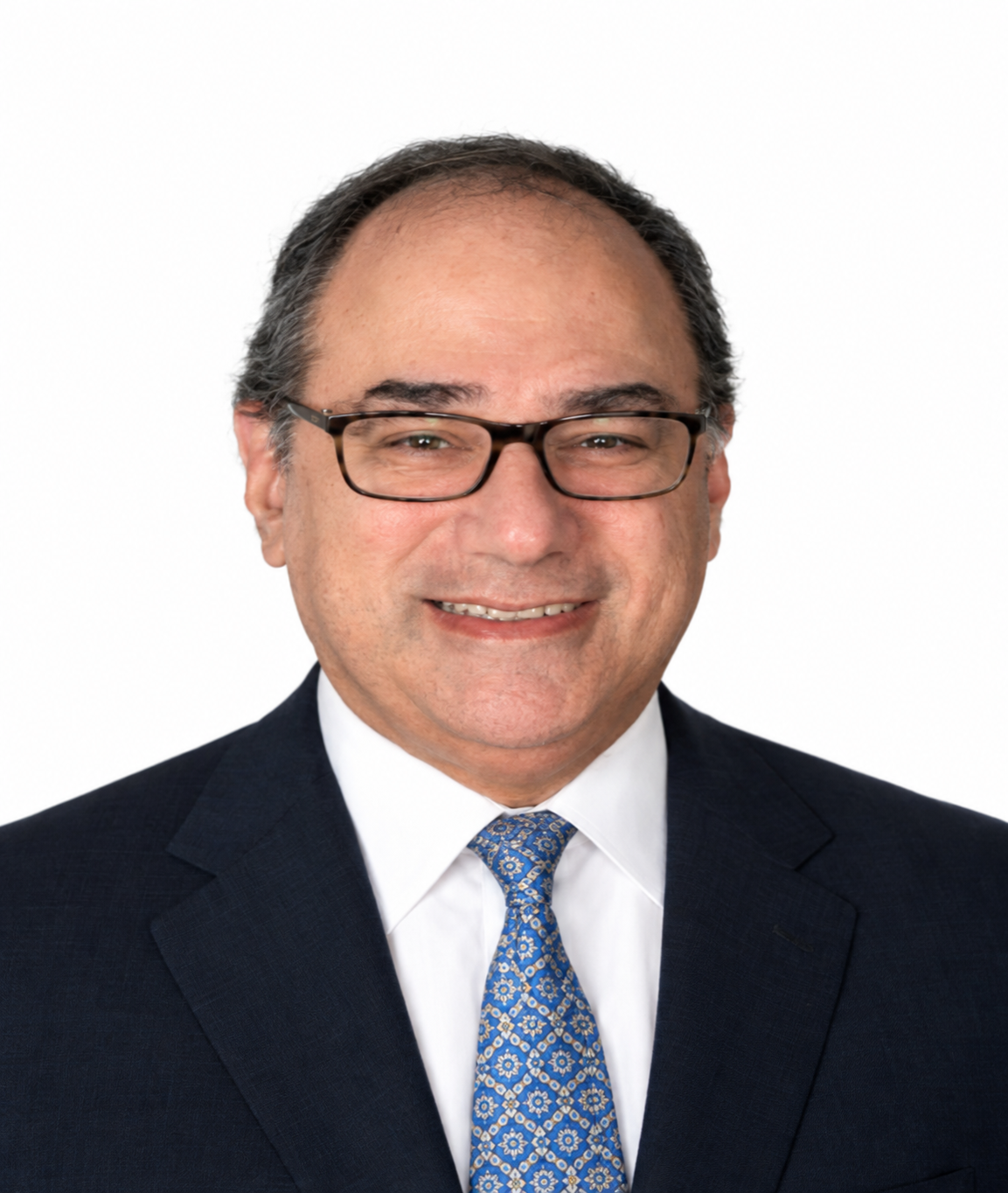
Michael Samuel

Michael Samuel is a New York litigator, in practice since 1993 and admitted in the Southern and Eastern Districts of New York, who defends businesses sued in federal court in Manhattan and Brooklyn.

In a photo case, we start with the dates: when the photo was published and registered, when your use began, and when the photographer says they found it. Those dates often decide what the photographer can recover. Then we look at where the image came from and whether anyone else is responsible, and tell you what a realistic resolution looks like before you decide anything.

The fee is quoted up front, before you commit, and the first strategy session is free.

Frequently asked questions

In federal court, generally 21 days from the day you were served, or 60 days if you agreed to waive formal service. If nobody answers in time, the photographer can ask for a default judgment, and courts in these cases routinely award damages plus attorney’s fees.

Usually yes. Copyright infringement doesn’t require intent, so not knowing is generally not a defense to the claim itself. It can lower the amount: if a business proves it had no reason to believe the use was infringing, the court can reduce statutory damages to as little as $200 per photo.

Usually yes. A business is generally responsible for what appears on its own website and social media accounts, even if an employee or an outside designer added it. Depending on your contract, you may have a claim against the designer, which is worth raising early.

It depends on the facts. In three recent default decisions in Sanders Law Group cases, where the business never defended, courts awarded $750, $3,150 and $15,000 in statutory damages plus a few thousand dollars in fees and costs. If your use began before the photo was registered, statutory damages and attorney’s fees may not be available at all.

Yes, promptly, after saving a dated screenshot of the page or post. Taking it down doesn’t erase a claim for past use, but courts look at how a business responded, and in one 2026 case the court awarded the minimum in part because the business removed the material as soon as it was notified.

Talk it through

Free strategy session, fee quoted before you commit

I am Michael Samuel. I have practiced law in New York since 1993, and I defend businesses sued in the federal courts in Manhattan and Brooklyn, including over photos used on their websites and social media. If your company has been served, the first strategy session costs nothing and you will get a straight answer about where you stand. I quote the fee up front, before you commit, so you know the number.

Many businesses sued over a photo on their website also receive ADA website accessibility claims. If that has happened to you, see my page on ADA website lawsuit defense.

For a free strategy session, call 212-563-9884, email michael@thesamuellawfirm.com, or use the contact form.

Attorney Advertising. This article is general information about New York and federal law and is not legal advice about your situation. Reading it does not create an attorney client relationship.


The Samuel Law Firm

1441 Broadway, Suite 6085

New York, NY 10018

212-563-9884

Contact Us

Sued, owed wages, or injured? Talk to a New York litigator today.

The Samuel Law Firm is a litigation firm in Manhattan. Michael Samuel defends businesses in ADA lawsuits, website and premises, in wage and hour cases, and in contract and commercial disputes, and represents employees owed wages and people injured by negligence. He has practiced in New York since 1993 and appears in the Southern and Eastern Districts of New York and the New York state courts. Call 212-563-9884 for a free consultation; he answers directly